






How Can High-Concentration Leachate Achieve Stable and Compliant Treatment?
As the volume of municipal solid waste landfills and industrial waste treatment continues to increase, high-concentration leachate has become an increasingly serious environmental challenge. Due to its complex composition, high pollutant load, and large fluctuations in flow rate, improper treatment can cause severe impacts on the environment, groundwater, and surrounding ecosystems.
Achieving stable and compliant treatment of high-concentration leachate has therefore become a critical requirement for environmental engineering projects and industrial operators.
As a global provider of advanced water treatment equipment and integrated solutions, WTEYA has developed a systematic leachate treatment process. By integrating biological treatment → membrane separation → evaporation systems, WTEYA delivers stable discharge compliance and resource recovery, providing sustainable and efficient wastewater treatment solutions.
1. Characteristics and Treatment Challenges of Leachate
High-concentration leachate is mainly generated from landfill sites, industrial solid waste, and mining activities. It is highly variable and complex, with the following characteristics:
High organic pollutant concentration: COD, BOD, and ammonia nitrogen levels are extremely high, making conventional biological systems difficult to operate stably.
• Strong fluctuation in flow and quality: Rainfall, waste composition, and operational conditions lead to unstable influent characteristics, increasing system risk.
• High salinity and mineral content: Sodium, calcium, magnesium, and other ions increase membrane load and energy consumption.
• Refractory organic compounds: Artificial chemicals and humic substances are difficult to biodegrade and may inhibit microbial activity.
• Potential heavy metals and hazardous substances: Trace toxic elements further complicate treatment processes.
⚠️ Key challenge summary: Complex wastewater composition and unstable influent require integrated multi-stage treatment rather than a single technology solution.
2. Systematic Treatment Strategy: Biological → Membrane → Evaporation
WTEYA adopts a “multi-stage integration, differential treatment, and intelligent control” approach, dividing the process into three core stages:
2.1 Biological Treatment: Efficient Removal of Biodegradable Organics
Biological treatment is the core stage for reducing high-COD leachate. WTEYA optimizes biological systems for stable operation under high-load conditions:
• Two-stage AO process optimization: Enhances microbial activity and stabilizes system performance under fluctuating conditions.
• MBR (Membrane Bioreactor): Separates biomass from treated water, improving COD and ammonia nitrogen removal efficiency while preventing sludge loss.
• Enhanced microbial strains: High-resistance bacteria improve system stability and shock resistance.
💡 Key advantage: Significant reduction of COD, ammonia nitrogen, and organic load, creating ideal feed conditions for downstream membrane systems.
2.2 Membrane Treatment: Advanced Purification and Water Reuse
After biological treatment, the wastewater still contains dissolved organics and salts. Membrane systems provide deep purification:
• Nanofiltration (NF): Removes high-molecular-weight organic compounds.
• Reverse Osmosis (RO): Eliminates dissolved salts and low-molecular-weight organics, enabling reuse or compliant discharge.
💡 Operational requirements:
• Stable influent quality
• Precise process control and monitoring
2.3 Evaporation System: Zero-Liquid Discharge and Resource Recovery
For ultra-high salinity or non-biodegradable leachate, membrane systems alone are insufficient. WTEYA integrates evaporation technology for full treatment:
• MVR falling film evaporation: Efficient concentration of leachate with energy recovery through secondary steam reuse.
• Forced circulation crystallization: Converts salts into recoverable solid form, preventing liquid discharge.
• Mother liquor recycling and drying: Final solidification ensures complete treatment.
2.4 Intelligent Control and Operational Optimization
Stable long-term operation relies not only on technology but also on intelligent system management:
• Energy optimization: Heat recovery from MVR and water recycling in membrane systems reduce operating costs.
• High scalability: Flexible adjustment according to water volume and pollutant concentration.
✅ Result: Stable long-term operation, reduced chemical and energy consumption, lower maintenance frequency, and improved economic efficiency.
Conclusion:
The stable and compliant treatment of high-concentration leachate is a complex system engineering challenge that cannot be solved by a single technology.
Through a multi-stage integration of biological treatment → membrane separation → evaporation systems, combined with intelligent operational management, WTEYA delivers an efficient, stable, and sustainable leachate treatment solution, enabling:
• Stable COD compliance
• Zero-liquid discharge
• Water resource recycling
Why Partner with WTEYA?
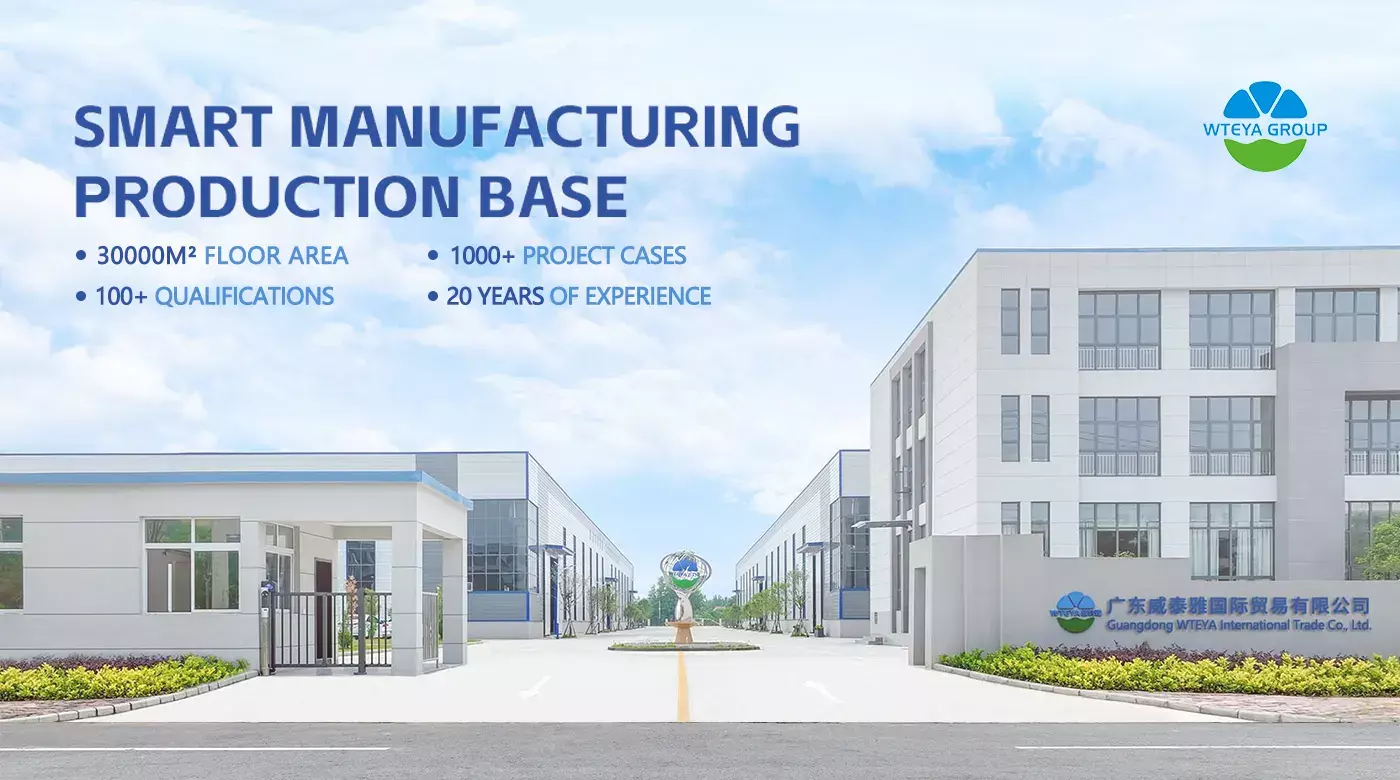
• Nearly 20 years of industry experience
• Trusted by global leaders including Foxconn, Huawei, Ganfeng Lithium, Ronbay Technology
• 100+ success cases worldwide
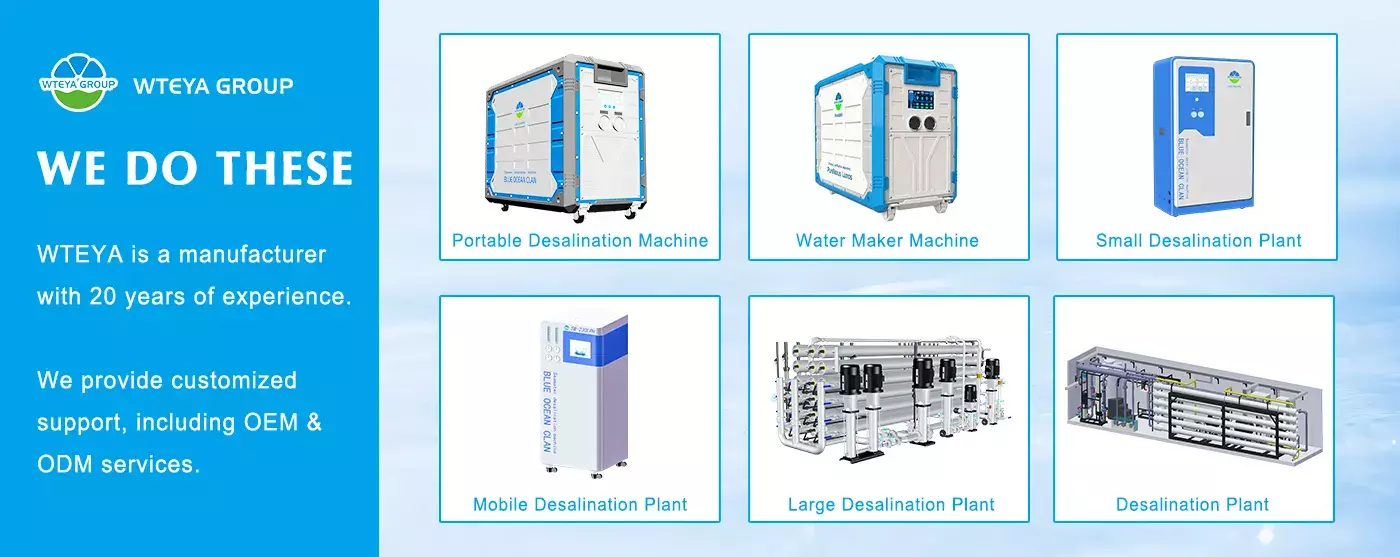
• OEM & ODM customization available
Become a WTEYA Distributor!
We are expanding global partnerships:
• Preferential policies
• Professional training
• Full technical support
Let us help you achieve exceptional water quality and operational sustainability!
📲 WhatsApp: +86-1800 2840 855
📧 Email: info@wteya.com
🌐 Website: www.wteya.com