






Three 4040 Seawater Desalination Units Tested and Loaded for Mexico Delivery
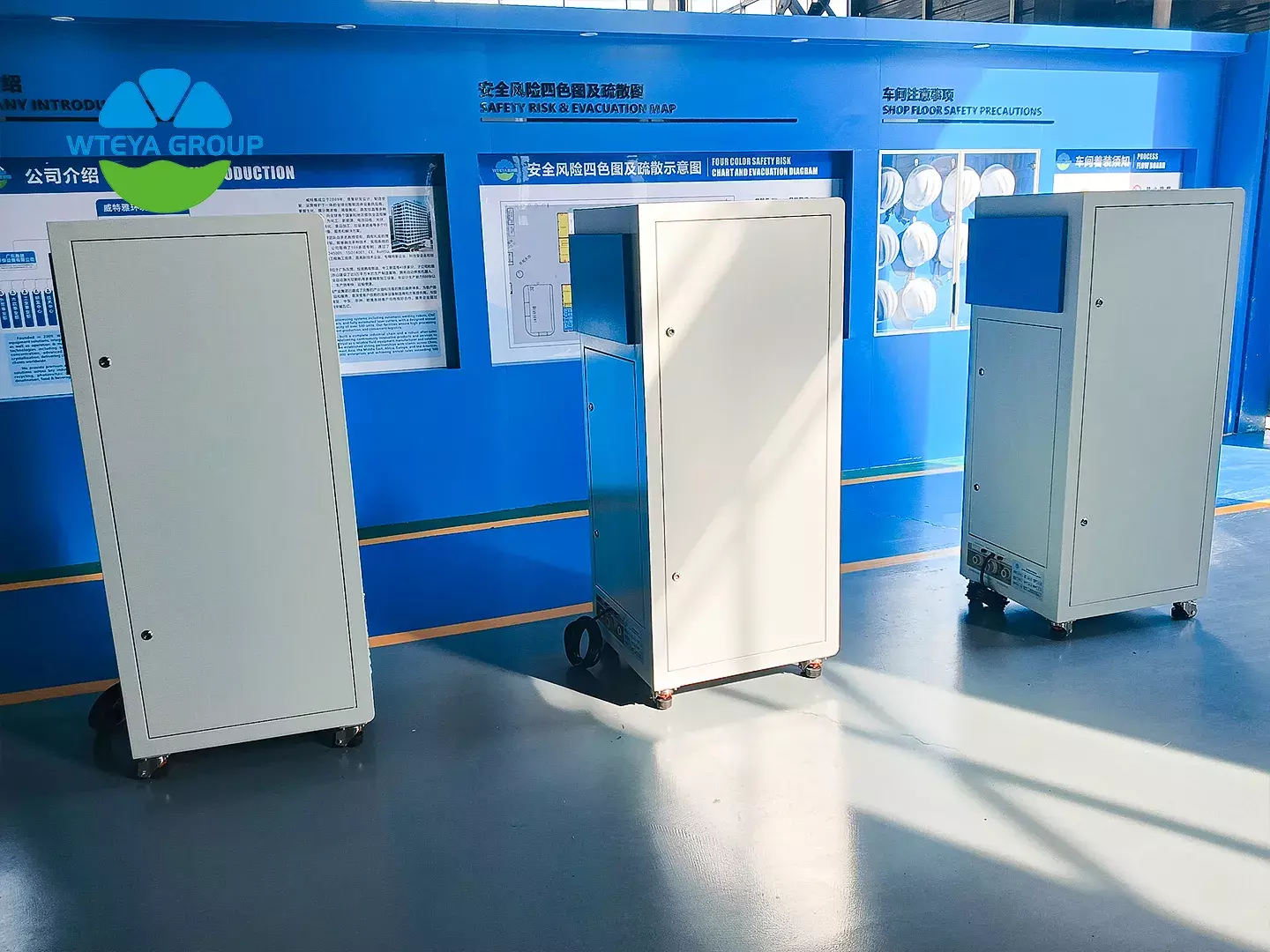
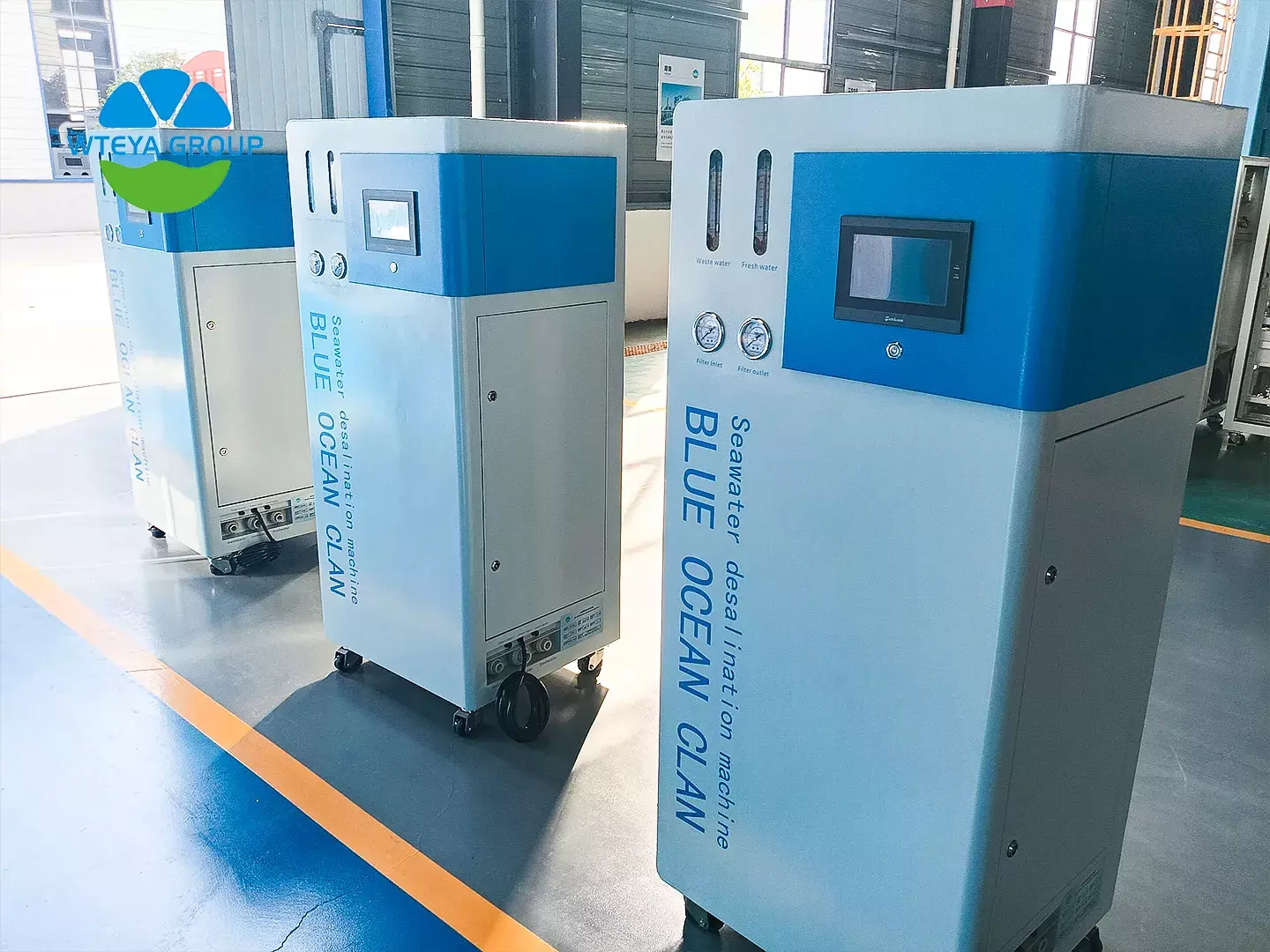
WTEYA has completed the production, factory testing and container loading of three 4040 seawater desalination units destined for Mexico. The shipment was prepared for our partner Rotoplas, a leading water solutions company in Latin America, and forms part of a wider programme to bring small-capacity desalination to sites that a centralised water network cannot reach.
📦 What Was Shipped: Three 4040 Seawater Desalination Units
The order comprises three identical skid-mounted units built around the 4040 membrane format, which measures 4 inches in diameter by 40 inches long (approximately 100 × 1016 mm). Each unit is configured for seawater service and delivers 10–20 tons of fresh water per day, depending on the number of membrane elements installed and the feedwater conditions at the installation site.
⚙️ Key Specifications and Unit Configuration
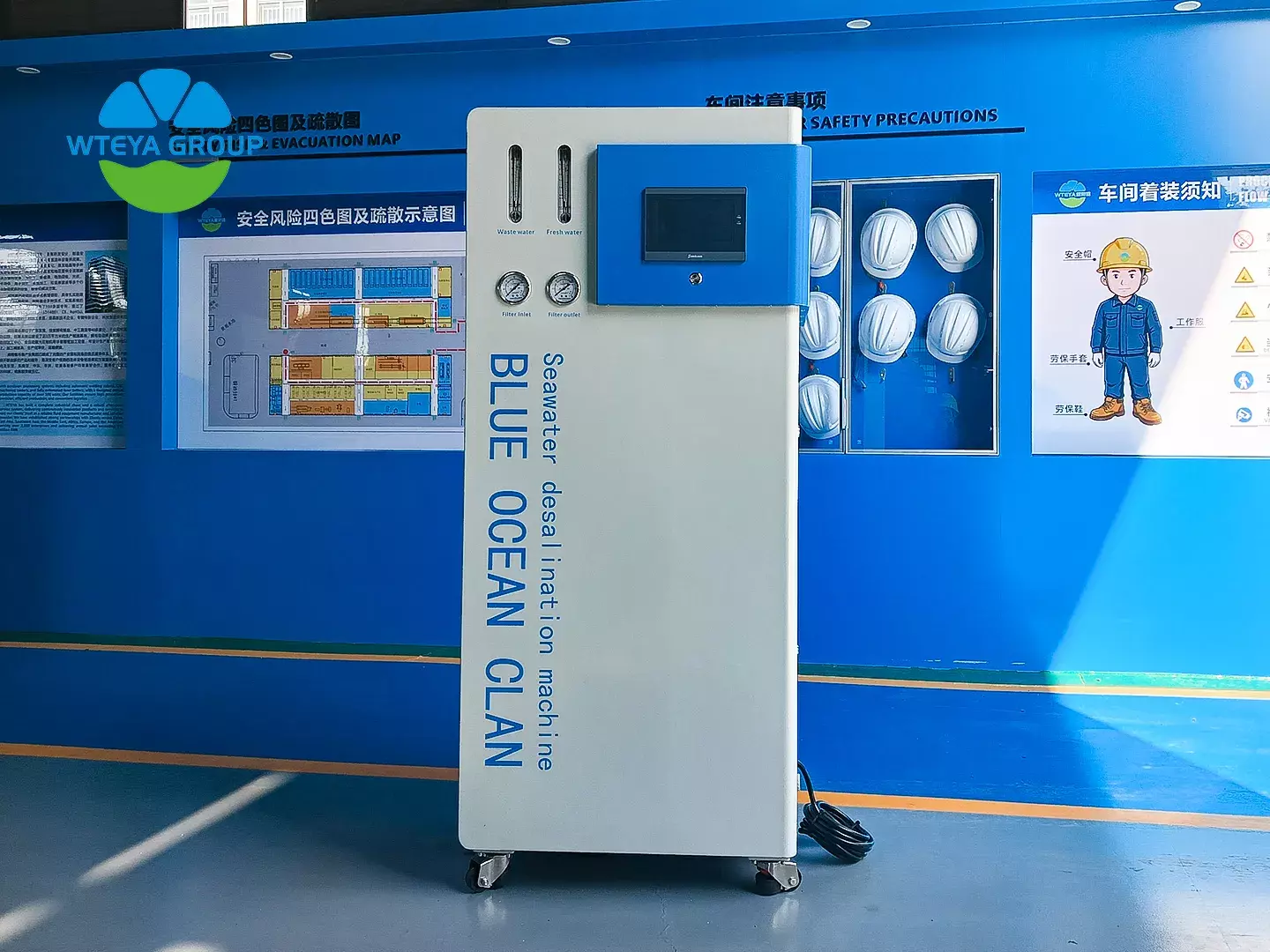
Every unit follows the same process train: seawater intake → multimedia pretreatment → high-pressure pump → 4040 RO membrane → energy recovery → fresh water. Salt rejection is 99% or higher, and energy consumption stays within 3–4 kWh per cubic metre once the energy recovery device is in line.
The electrical interface is deliberately simple: single-phase AC220V, 50 Hz, with an input current of at least 16 A and an operating voltage window of AC200–240V. Feedwater enters through a G3/4″ female port, while product water and brine discharge use G1/2″ ports; all connections are rated PN10. Two float level switches travel with each unit, one for low-level protection of the feed pump and one for full-tank shutdown.
🧪 Factory Testing Before Dispatch
No unit leaves the workshop without a full test sequence. Electrical continuity, pump rotation, pressure holding and the control programme are checked first; the system is then run on test feedwater to confirm permeate flow and salt rejection above 99%. Float-switch auto start and stop, together with the protection interlocks, are verified during the same run.
Each shipment leaves with its test record, operation and maintenance manual, wiring diagram and commissioning checklist, so the receiving team can verify the delivered equipment against documented results rather than assumptions.
📐 Pre-Shipment Preparation and Packing
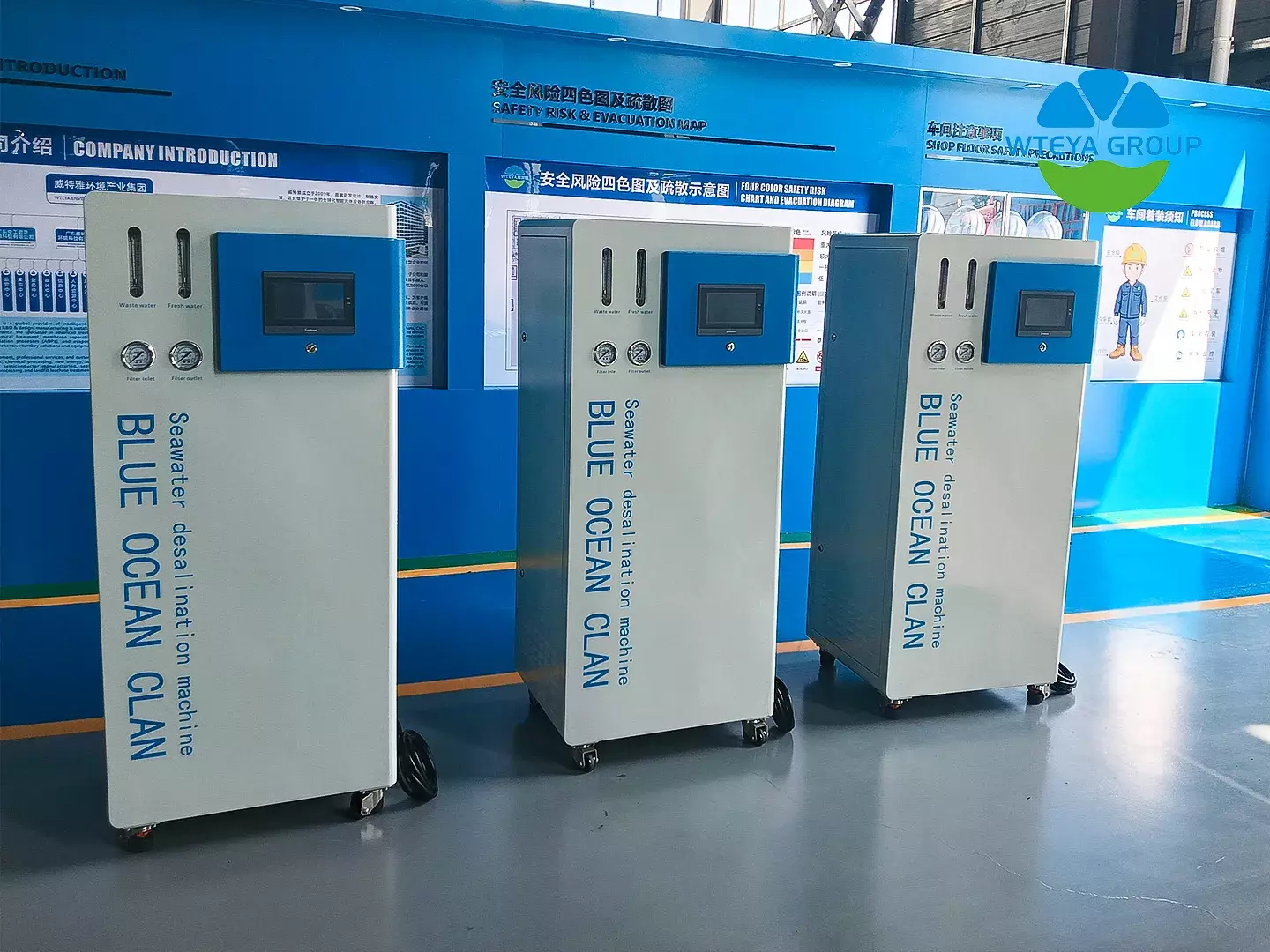
Because sea freight exposes equipment to humidity and repeated handling, the skid frames are surface-treated and the membrane elements protected before crating. Instrument lines, pressure gauges and the control cabinet are secured or boxed separately, and every unit is fixed to its own timber base so that the skid cannot shift inside the container. The three units were then loaded and braced as one consignment, with the container sealed and photographed for the shipping record.
🚢 Loading, Documentation and Delivery to Mexico
The accompanying document set covers the commercial invoice, packing list, certificate of origin and conformity documentation, together with the factory test records. The consignment moves by sea to a Mexican port, from where the units will be forwarded to their installation sites. WTEYA's engineering team remains available for pre-installation checks and remote commissioning support once the equipment arrives.
💧 Where the Units Will Be Installed
The 4040 platform is designed for decentralised supply, and the intended applications match that profile: coastal villages and small communities, island and resort installations, hotels, fishing-vessel water supply and emergency response. Because the units arrive as plug-and-play skids, commissioning needs only a feedwater tank of 500 L or more, a matching single-phase power point and the standard plumbing connections.
❓ Frequently Asked Questions
What is the daily output of a 4040 seawater desalination unit?
A single 4040 membrane produces about 2000–2500 GPD (roughly 7–9 tons per day). A complete unit with several membranes in parallel is normally rated at 10–20 tons per day, depending on feedwater salinity and temperature.
What power supply does the unit require?
Standard units run on single-phase AC220V, 50 Hz with an input current of at least 16 A and a voltage window of AC200–240V. The 60 Hz version is built for an input current of at least 25 A and must be wired from a breaker rated 25 A or above. A three-phase supply must never be connected.
How are the units protected during sea freight?
Frames are surface-treated, membrane elements and instrument lines are protected or boxed separately, and each skid is fixed to a timber base and braced inside the container. Pressure holding and performance tests are completed before packing, and the test records travel with the shipment.
WTEYA is a professional manufacturer of small and medium seawater desalination systems and supports distributors worldwide with factory pricing, technical training and after-sales backing. Become a WTEYA authorized dealer — exclusive territories, competitive pricing and full factory support. Schedule a video call with our engineers to explore your options.
📲 WhatsApp: +86-1800 2840 855
📧 Email: info@wteya.com
🌐 Website: www.wteya.com