






What Are the Key Bottlenecks in High-Concentration Lithium Battery Wastewater Treatment?
With the rapid expansion of the lithium battery industry, wastewater treatment is no longer a simple compliance issue—it has evolved into a complex system engineering challenge.
In real-world projects, many companies find that wastewater treatment systems may initially meet discharge standards. However, after continuous operation, problems gradually emerge, such as:
• Scaling and membrane fouling
• Increased energy consumption
• Reduced permeate recovery rate
• Rising operational costs
• Frequent system modifications
These issues are especially common in high-concentration lithium battery wastewater treatment systems.
The root cause is not simply “how to remove pollutants,” but rather how to maintain long-term system stability under highly complex water conditions with low energy consumption and high recovery efficiency.
At WTEYA, through multiple battery production and recycling projects, we have identified three major bottlenecks:
pollutant coupling, process mismatch, and concentrate management.
Only by addressing these challenges from a system-level perspective can a truly sustainable solution be achieved.
1. High Salinity and Heavy Metals: Exponentially Increasing Treatment Difficulty
One of the most significant characteristics of lithium battery wastewater is high salinity combined with multiple heavy metals, including lithium, nickel, cobalt, and manganese.
This “high salt + multi-metal” system significantly changes the chemical environment, reducing the effectiveness of conventional treatment methods.
For example:
- High ionic strength affects chemical precipitation equilibrium
- Some metals cannot fully precipitate, reducing removal stability
- Reverse osmosis systems face higher osmotic pressure and reduced recovery efficiency
- Salt crystallization causes scaling on membranes and evaporator surfaces
Over time, scaling reduces heat transfer efficiency and increases cleaning frequency, shortening equipment lifespan. In addition, complex salt-metal interactions may form stable compounds, making single-process treatment insufficient. A multi-stage separation strategy is therefore required.
2. Organic Matter and Complexing Agents: Hidden System Instability Factors
Lithium battery wastewater often contains:
• Electrolyte residues
• Organic additives
• Complexing agents
Although their concentration may be lower than salts, their impact on system stability is significant.
Complexing agents can bind with heavy metals to form stable complexes, making metals difficult to remove through conventional precipitation processes.
In membrane systems, organic matter can:
Form fouling layers on membrane surfaces
• Reduce membrane flux
• Increase cleaning frequency
• Lead to unstable long-term operation
In thermal evaporation systems, organics may also decompose or polymerize under heat, further worsening scaling issues.
Therefore, organic compounds are not secondary pollutants—they are critical factors affecting system stability and long-term performance.
3. Concentrate Treatment: The Final Bottleneck That Determines System Success
In most projects, membrane separation and pre-treatment effectively reduce pollutant concentration. However, they inevitably generate high-strength concentrate streams.
This concentrate contains extremely high levels of salts and metals, making it the most difficult part of the entire system.
Improper handling may lead to:
• Direct environmental discharge risks
• Internal recycling overload and system instability
• Severe scaling in evaporation systems
• High energy consumption and operational inefficiency
• Simple evaporation alone is often insufficient due to high fouling risk and energy demand.
Therefore, concentrate treatment is not only a technical issue but also a system design challenge. A proper end-treatment and resource recovery strategy is essential for true closed-loop operation.
4. WTEYA Solution: From “Treatment” to System Reengineering
To address these bottlenecks, WTEYA proposes a multi-stage collaborative treatment strategy.
Instead of focusing only on removal efficiency, the system emphasizes:
• Pollutant classification
• Step-by-step separation
• Stable long-term operation
For battery manufacturing wastewater, WTEYA applies:
• Multi-stage pretreatment
• Chemical conditioning and decomplexation
• Membrane separation for stable water recovery
For battery recycling wastewater, which is more complex, customized multi-stage systems are designed to gradually reduce system load and improve stability.
5. Core Equipment: Key Support for High Efficiency and Zero Liquid Discharge
The performance of key equipment determines overall system efficiency.
Membrane System (RO/NF)
• Ion removal efficiency above 99%
• Stable water quality for reuse
• Intelligent operation control
• Anti-fouling membrane technology for extended lifespan
Zero Liquid Discharge System
WTEYA integrates MVR evaporation and crystallization technology to achieve:
• High water recovery rate (>95%)
• Salt crystallization and resource recovery
• Reduced environmental discharge
• Higher economic value from waste streams
6. System Optimization: Synergy Instead of Single-Point Breakthrough
The success of lithium battery wastewater treatment does not depend on a single technology.
It depends on system synergy, including:
• Pretreatment for stability
• Membrane separation for efficiency
• Evaporation crystallization for final zero discharge
WTEYA integrates all units into a coordinated system to ensure stable operation under varying conditions while reducing energy consumption and operational costs.
Conclusion: From Bottleneck Resolution to Value Transformation
The core challenges in high-concentration lithium battery wastewater treatment stem from complex pollutant coupling and limitations of traditional processes. Only through a systematic engineering approach—combining advanced separation technologies and resource recovery strategies—can stable operation and economic value be achieved simultaneously.
WTEYA provides a complete solution that transforms wastewater from an environmental burden into a recoverable resource, supporting the industry’s transition toward sustainable development and zero liquid discharge systems.
Why Partner with WTEYA?
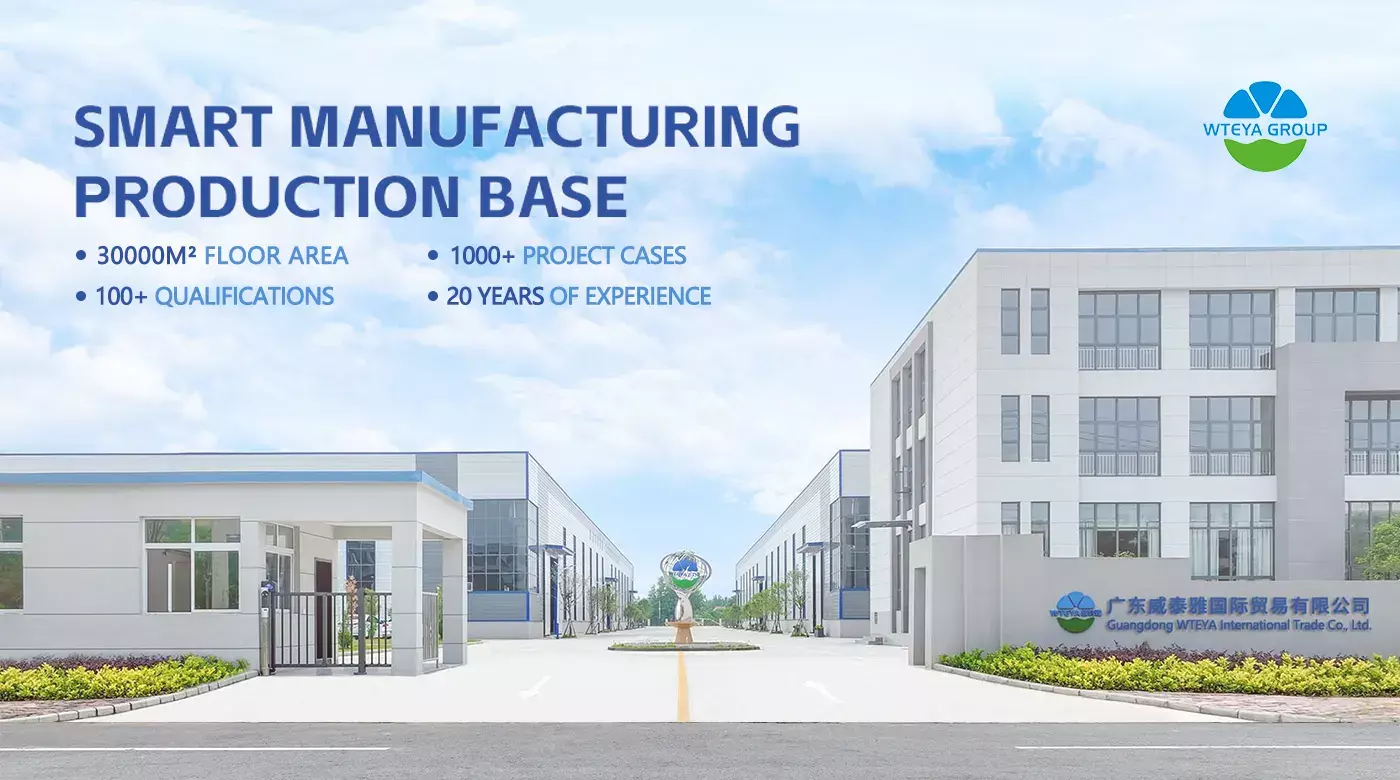
• Nearly 20 years of industry experience
• Trusted by global leaders including Foxconn, Huawei, Ganfeng Lithium, Ronbay Technology
• 100+ success cases worldwide
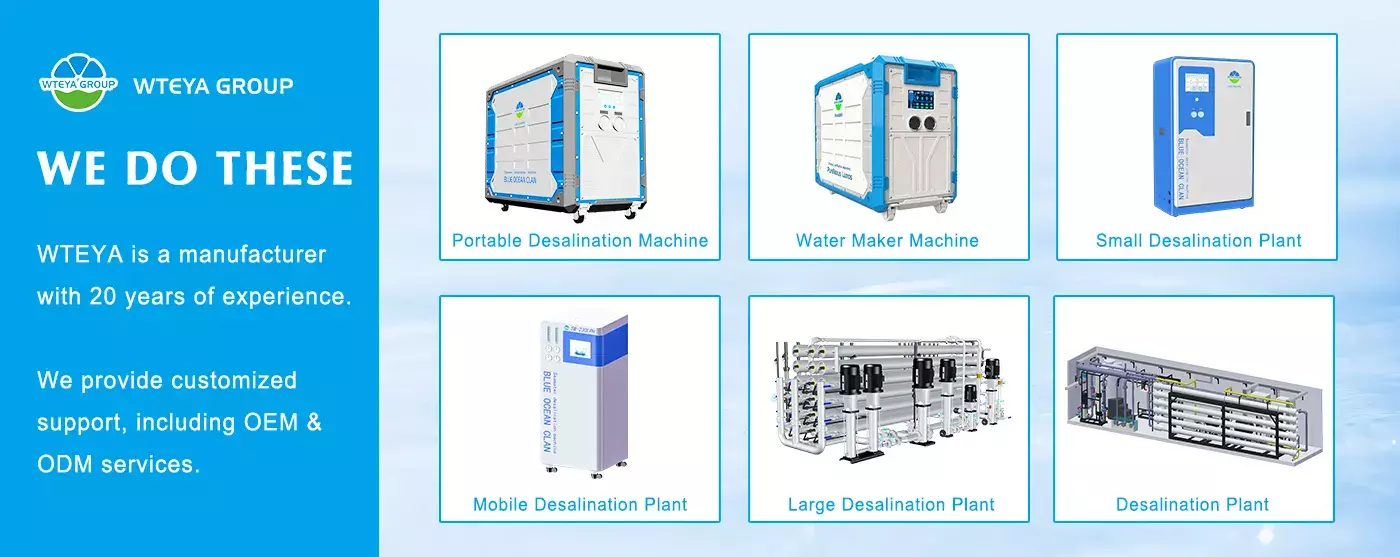
• OEM & ODM customization available
Become a WTEYA Distributor!
We are expanding global partnerships:
• Preferential policies
• Professional training
• Full technical support
Let us help you achieve exceptional water quality and operational sustainability!
📲 WhatsApp: +86-1800 2840 855
📧 Email: info@wteya.com
🌐 Website: www.wteya.com