






How Do Seawater Desalination Plants Convert Seawater into Drinking Water?
In many countries and regions, especially those located in arid and semi-arid climates, water scarcity has become a significant challenge. With the intensification of global climate change, water shortage issues are becoming increasingly severe. Seawater desalination, as an effective solution, can provide a sustainable source of drinking water. As one of the most abundant water resources on Earth, seawater can be converted into potable water through technological methods. This is a key issue in global water resource management today.
Seawater desalination plants use modern technological methods to remove salts and other harmful substances from seawater, producing clean drinking water or water for industrial use. With continuous advancements in desalination technology, more regions have begun to rely on this method to address water scarcity. This article will explore the working principles of seawater desalination plants, common desalination technologies, and WTEYA’s seawater desalination solutions, helping us better understand the development and application of this industry.
The Workflow of a Seawater Desalination Plant
The core goal of a seawater desalination plant is to remove salts, impurities, and harmful substances from seawater, ultimately producing freshwater that meets drinking water standards. The desalination process can generally be divided into three main stages: pretreatment, main treatment, and post-treatment.
1. Pretreatment: Removing Large Particles
When seawater enters the desalination plant, it first undergoes pretreatment to remove large particulate matter such as sand, plankton, and algae. This step ensures the efficiency and protection of the core treatment technology—reverse osmosis (RO).
Common pretreatment methods include:
• Coarse and microfiltration: Using filters or membranes of different pore sizes to remove large particles.
• Sedimentation and chemical treatment: Chemicals such as polyaluminium chloride react with suspended solids to form larger particles that can settle.
• Chlorination: Adding chlorine or other disinfectants to eliminate microorganisms and bacteria.
2. Reverse Osmosis (RO): The Core Technology
Reverse osmosis (RO) is currently the core technology for seawater desalination. It utilizes the selective permeability of semipermeable membranes to separate salts, heavy metals, bacteria, and other contaminants, producing clean freshwater. Under high pressure, water molecules are forced through the membrane, while salts and other impurities are blocked.
The RO process includes:
• Pressurization: Pre-treated seawater is pressurized by high-pressure pumps, typically between 30–60 bar, to push water molecules through the RO membrane.
• Membrane filtration: Water molecules pass through the membrane, while salts, bacteria, and viruses are retained, producing freshwater.
• Concentrate discharge: RO generates two streams: freshwater and a high-salinity brine that must be properly managed to minimize environmental impact.
3. Post-Treatment: Ensuring Water Quality and Safety
Even after RO, additional post-treatment is required to ensure the water meets drinking standards. The post-treatment process mainly involves mineralization, disinfection, and pH adjustment.
Common post-treatment methods include:
• Mineralization: Adding minerals such as calcium and magnesium to improve water taste and quality.
• Disinfection: Using chlorine, UV, or ozone to further eliminate microorganisms.
• pH adjustment: Ensuring the water’s pH meets potable water standards.
4. Water Quality Monitoring and Distribution
After pretreatment, main treatment, and post-treatment, the resulting water is stored in reservoirs or directly supplied to end-users. Strict water quality monitoring is essential throughout the process, including measurements of pH, conductivity, and turbidity.
Types of Seawater Desalination Technologies
Seawater desalination is not limited to reverse osmosis; several other technologies are available, each suitable for different scenarios.
1. Multi-Stage Flash (MSF) Distillation:
MSF uses thermal energy to evaporate seawater in multiple stages, condensing the vapor into freshwater. Suitable for regions with high energy availability but relatively high construction and operational costs.
2. Multi-Effect Distillation (MED):
Similar to MSF, MED improves thermal efficiency by cascading evaporation and condensation across multiple stages, reducing energy consumption while increasing freshwater yield. Ideal for regions with abundant heat sources.
3. Electrodialysis (ED):
ED uses an electric field to separate ions from seawater. While its capacity is lower, it is effective for low-salinity water or when removing specific ions.
4. Membrane Distillation (MD):
MD uses a temperature difference across a membrane to evaporate seawater and filter water molecules. It is energy-efficient and promising for areas with limited energy resources.
WTEYA’s Technological Advantages in Seawater Desalination
As a leading provider of seawater desalination solutions, WTEYA focuses on delivering efficient, energy-saving, and reliable systems. WTEYA’s desalination equipment is widely applied worldwide, with key advantages including:
1. High Efficiency and Energy Saving:
WTEYA adopts advanced RO technology and energy-saving designs to maximize water output while minimizing energy consumption. Optimized membrane components and system layouts ensure maximum water utilization and minimal brine production.
2. Intelligent Operation:
Equipped with automated control systems, WTEYA desalination equipment monitors water quality and operational status in real time, ensuring stable and efficient performance. Automation reduces labor requirements and operational costs.
3. Customized Solutions:
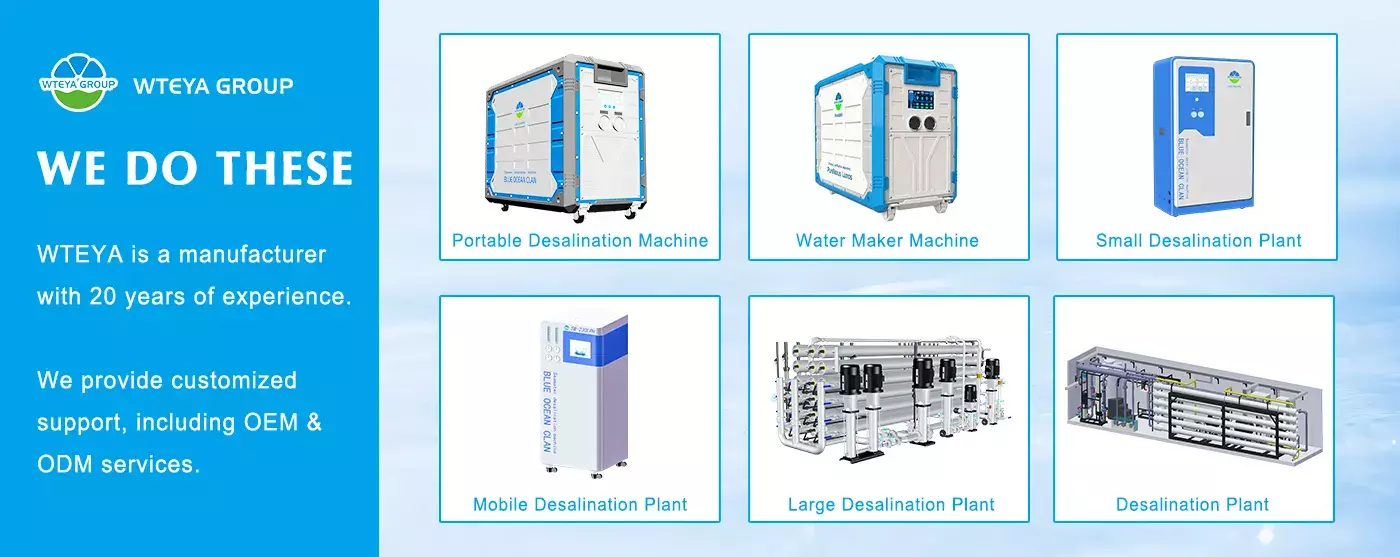
WTEYA offers tailored desalination solutions for different customer needs, from small-scale drinking water treatment to large-scale industrial applications, providing optimal system design and configuration.
4. Global Technical Support:
WTEYA provides comprehensive technical support worldwide, ensuring equipment performs reliably under various environmental conditions. Customers receive professional guidance for long-term efficient operation.
Conclusion:
With global water scarcity becoming increasingly severe, seawater desalination has become a vital means to secure safe water resources. Technologies such as reverse osmosis, multi-stage flash, and multi-effect distillation enable the effective removal of salts and contaminants, supplying continuous and reliable water to water-stressed regions.
WTEYA, with its advanced technology and comprehensive service system, has become a preferred supplier of seawater desalination equipment for clients worldwide. As technology continues to advance, seawater desalination will increasingly provide sustainable water solutions, contributing to efficient global water resource management and environmental protection.
Why Partner with WTEYA?
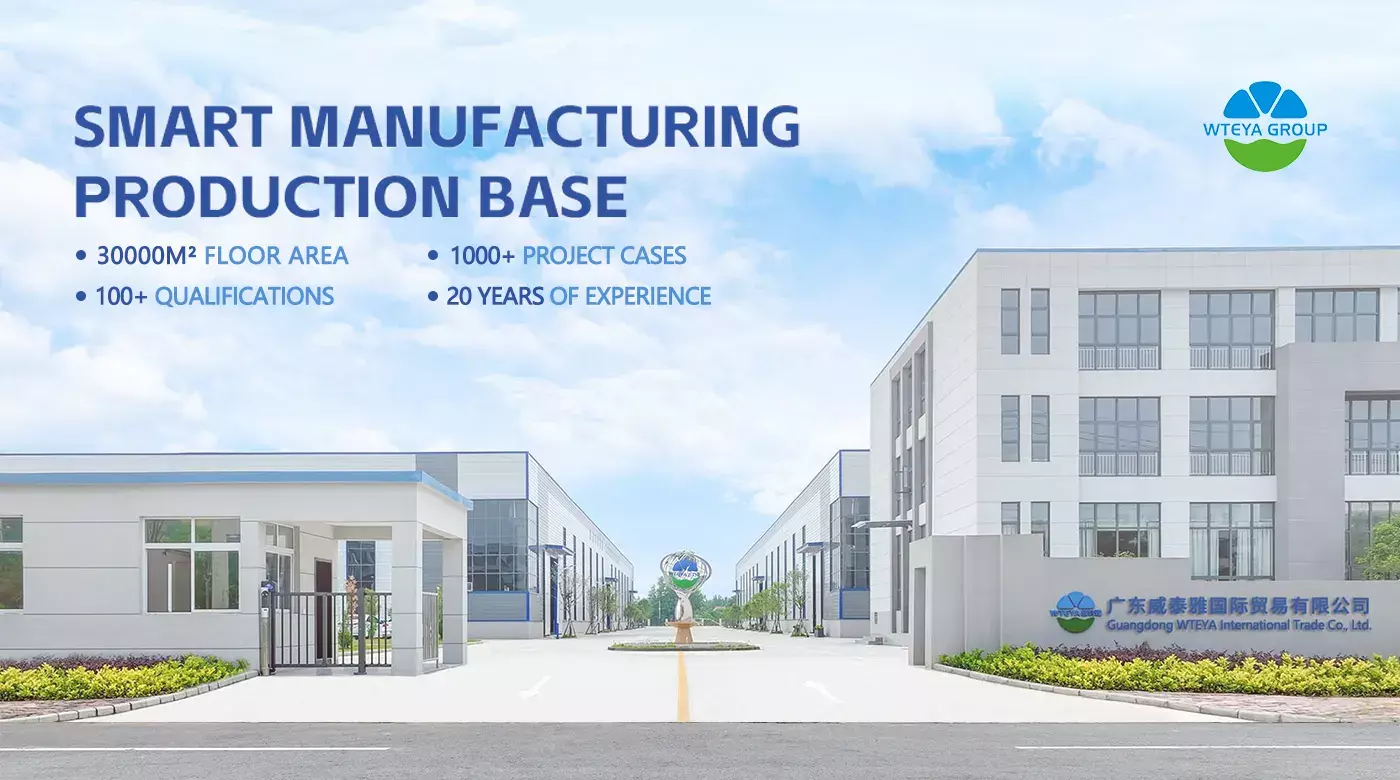
• Nearly 20 years of industry experience
• Trusted by global leaders including Foxconn, Huawei, Ganfeng Lithium, Ronbay Technology
• 100+ success cases worldwide
• OEM & ODM customization available
Become a WTEYA Distributor!
We are expanding global partnerships:
• Preferential policies
• Professional training
• Full technical support
Let us help you achieve exceptional water quality and operational sustainability!
📲 WhatsApp: +86-1800 2840 855
📧 Email: info@wteya.com
🌐 Website: www.wteya.com