






Technological Innovation in Industrial Wastewater Evaporators: Balancing Energy Efficiency, Environmental Protection, and High Water Yield
In the field of industrial wastewater treatment, evaporation technology has long been recognized as an effective solution for high-concentration, high-salinity, and difficult-to-treat wastewater. However, in practical engineering applications, evaporators often face three persistent challenges: high energy consumption, insufficient operational stability, and difficulty in maintaining high water yield while conserving energy. With stricter environmental regulations and rising energy costs, traditional evaporation processes no longer meet modern industry demands for energy efficiency, environmental compliance, and reliable operation.
Against this backdrop, industrial wastewater evaporators using Mechanical Vapor Recompression (MVR) technology have gradually become the mainstream solution. WTEYA industrial wastewater evaporators, based on MVR, optimize system structure, improve heat transfer methods, and upgrade automation controls to achieve a balance among energy savings, environmental protection, and high water yield in real-world projects.
1. The Real Challenges of Industrial Wastewater Evaporation
Industrial wastewater evaporation is not as simple as “boiling water.” Unlike clean water, industrial wastewater often presents the following characteristics:
High levels of dissolved salts and organics – As evaporation proceeds, solutes accumulate, increasing the risk of scaling, salt crystallization, and blockage of heat transfer surfaces.
Fluctuating water quality – In real production, inlet concentration, temperature, and flow rate are not constant, requiring higher system adjustment capabilities.
Continuous operation requirements – Most industrial scenarios require 24/7 operation. Any downtime not only affects wastewater treatment but may also impact the production system.
Therefore, a truly reliable industrial wastewater evaporator must maintain controllable energy consumption and stable water production under high-load, long-term operation.
2. Why MVR Technology is the Core Solution 🔧
The value of MVR technology lies not in being “conceptually advanced” but in fundamentally changing the energy flow.
In traditional evaporation systems, external steam is the primary heat source, and the secondary steam produced is usually directly condensed and wasted, resulting in significant “one-way energy loss.” In an MVR system, however, secondary steam is treated as a reusable energy carrier.
Specifically, the secondary steam generated from heated industrial wastewater is drawn into a compressor, where it is mechanically compressed. This increases the steam’s pressure and temperature, making it suitable to be returned as a heating medium. The steam is then recirculated to the evaporator’s heating side, completing an energy loop.
This mechanism greatly reduces dependence on external steam. Under stable conditions, the system’s main energy consumption is the electrical input to the compressor, not a continuous supply of large amounts of external steam. This energy recycling is the essence of MVR evaporators’ efficiency advantage.
3. System Architecture of WTEYA Industrial Wastewater Evaporators 🧠
WTEYA evaporators are not simply stacked equipment—they are designed systemically around MVR technology. The system typically consists of an evaporator, separator, compressor, vacuum pump, circulation pump, electrical instrumentation and control, and associated piping, with clear functional divisions.
- Evaporator – The core heat transfer unit focuses on maximizing evaporation per unit energy, rather than merely increasing temperature. Optimized heat surface layout and liquid distribution ensure a continuous, stable, and uniform liquid film, which enhances efficiency and reduces scaling.
- Separator – Efficient gas-liquid separation is crucial for long-term stability. Steam carrying liquid droplets can affect condensate quality and damage downstream equipment.
- Compressor – The energy core of the MVR system. Selection of compression ratio, flow match, and long-term reliability is critical for system efficiency.
- Vacuum Pump – Maintains low-pressure operation to reduce thermal losses and material corrosion.
4. Energy Efficiency is a Result of Systemic Coordination ⚡
Many projects focus solely on electricity or steam consumption when discussing energy efficiency. In industrial wastewater evaporation, true energy savings come from multiple factors:
Energy recovery efficiency – MVR reduces external heat input.
Heat transfer efficiency – Uniform liquid films reduce ineffective heat transfer.
Operational stability – Avoiding frequent start-stop cycles prevents energy waste.
Automation control – Real-time monitoring adjusts parameters dynamically, preventing non-optimal operation.
The combination of these factors allows MVR evaporators to maintain superior energy efficiency over long-term operation.
5. Environmental Value: Reduced Waste and Controllable Emissions 🌱
From an environmental perspective, the value of wastewater evaporators is not just treating water—it’s reducing total wastewater volume.
- Most water is recovered as condensate with stable quality for reuse or further treatment.
- Contaminants are concentrated into smaller volumes, lowering disposal pressure.
- MVR reduces energy consumption, indirectly reducing carbon emissions.
This aligns with the current global “carbon neutrality” goals, making MVR a preferred solution for industrial users.
6. High Water Yield Requires Process Control, Not Extreme Heating 💧
High water yield does not mean overheating. Excessive local evaporation can cause scaling, crystallization, and unstable operation.
WTEYA evaporators maintain controllable evaporation by optimizing liquid film, temperature, and system pressure. Continuous circulation and smart controls adjust for changing wastewater concentration, ensuring stable water production even under high-concentration conditions.
7. Conclusion: True Innovation Comes from Mature Technology
Technological innovation in industrial wastewater evaporators is measured by system-level maturity and reliability. WTEYA MVR-based evaporators utilize energy recycling, stable heat transfer, and intelligent control to achieve a balance of energy efficiency, environmental compliance, and high water yield.
Based on long-term engineering experience, WTEYA provides stable, sustainable wastewater treatment solutions. In today’s increasingly demanding industrial environment, this system-level approach represents the inevitable path forward.
Why Partner with WTEYA?
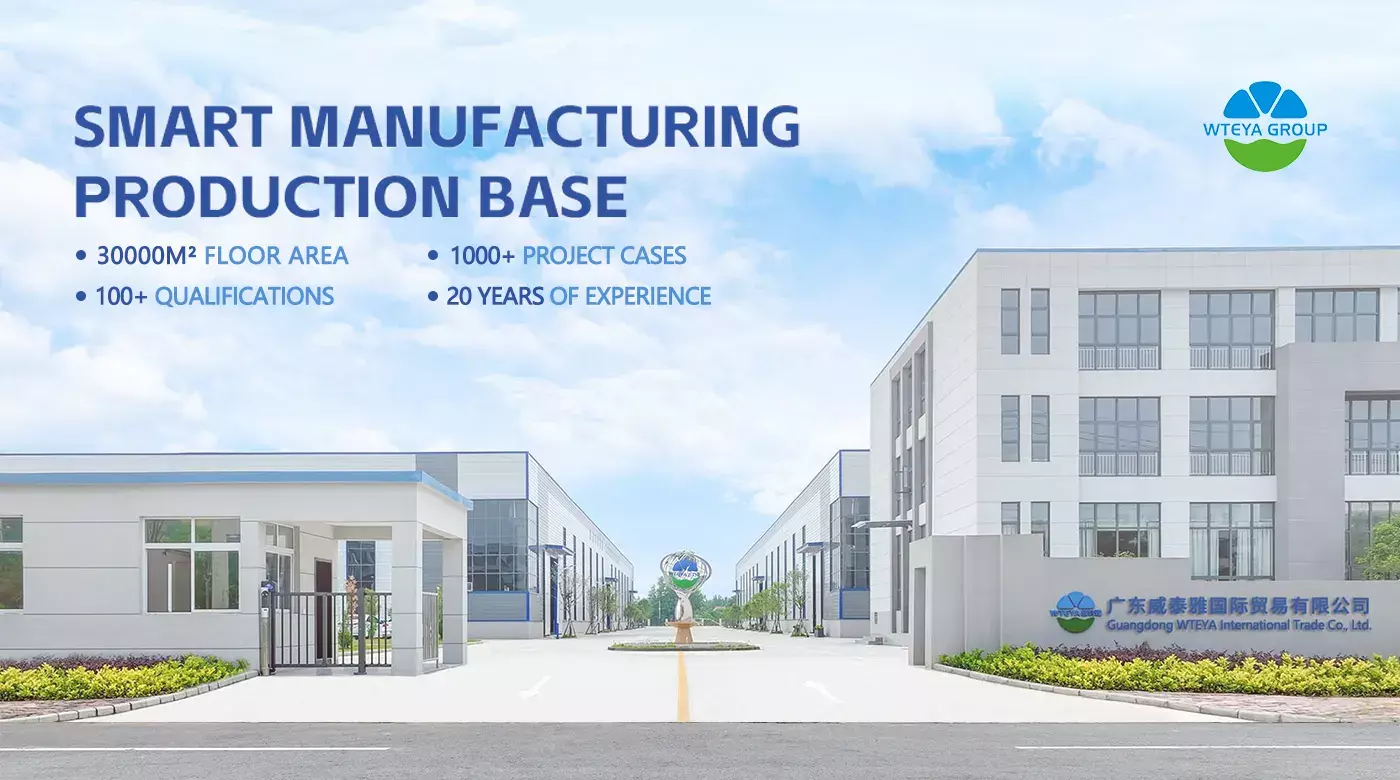
• Nearly 20 years of industry experience
• Trusted by global leaders including Foxconn, Huawei, Ganfeng Lithium, Ronbay Technology
• 100+ success cases worldwide
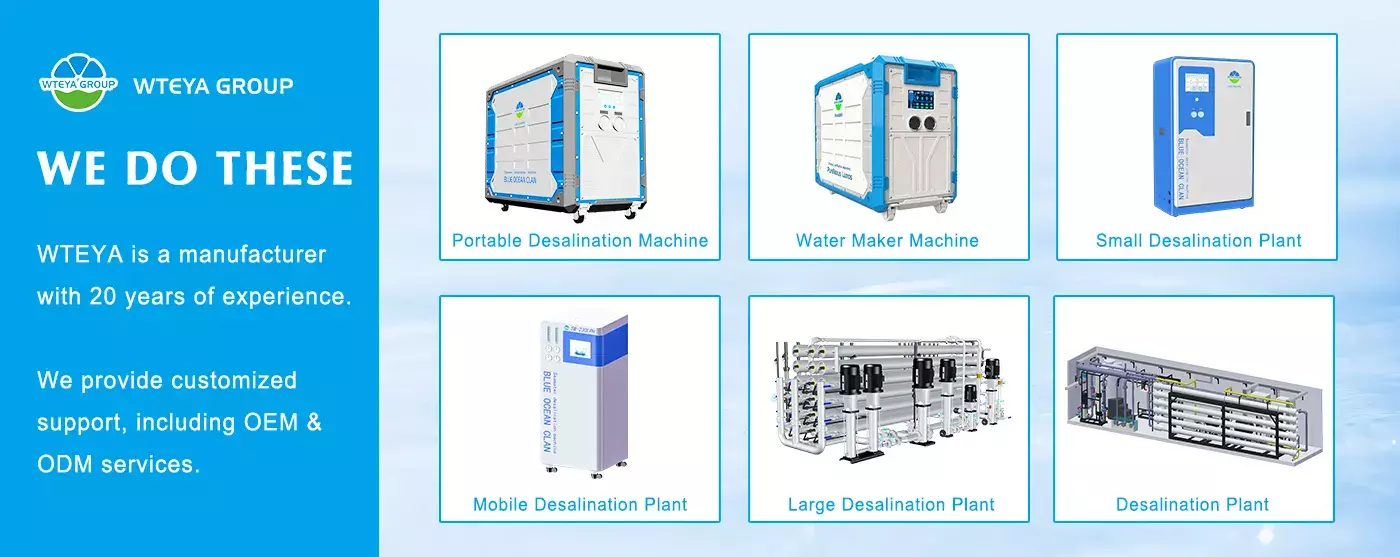
• OEM & ODM customization available
Become a WTEYA Distributor!
We are expanding global partnerships:
• Preferential policies
• Professional training
• Full technical support
Let us help you achieve exceptional water quality and operational sustainability!
📲 WhatsApp: +86-1800 2840 855
📧 Email: info@wteya.com
🌐 Website: www.wteya.com