






Desalination for Power Plants: Boiler Makeup and Cooling Water
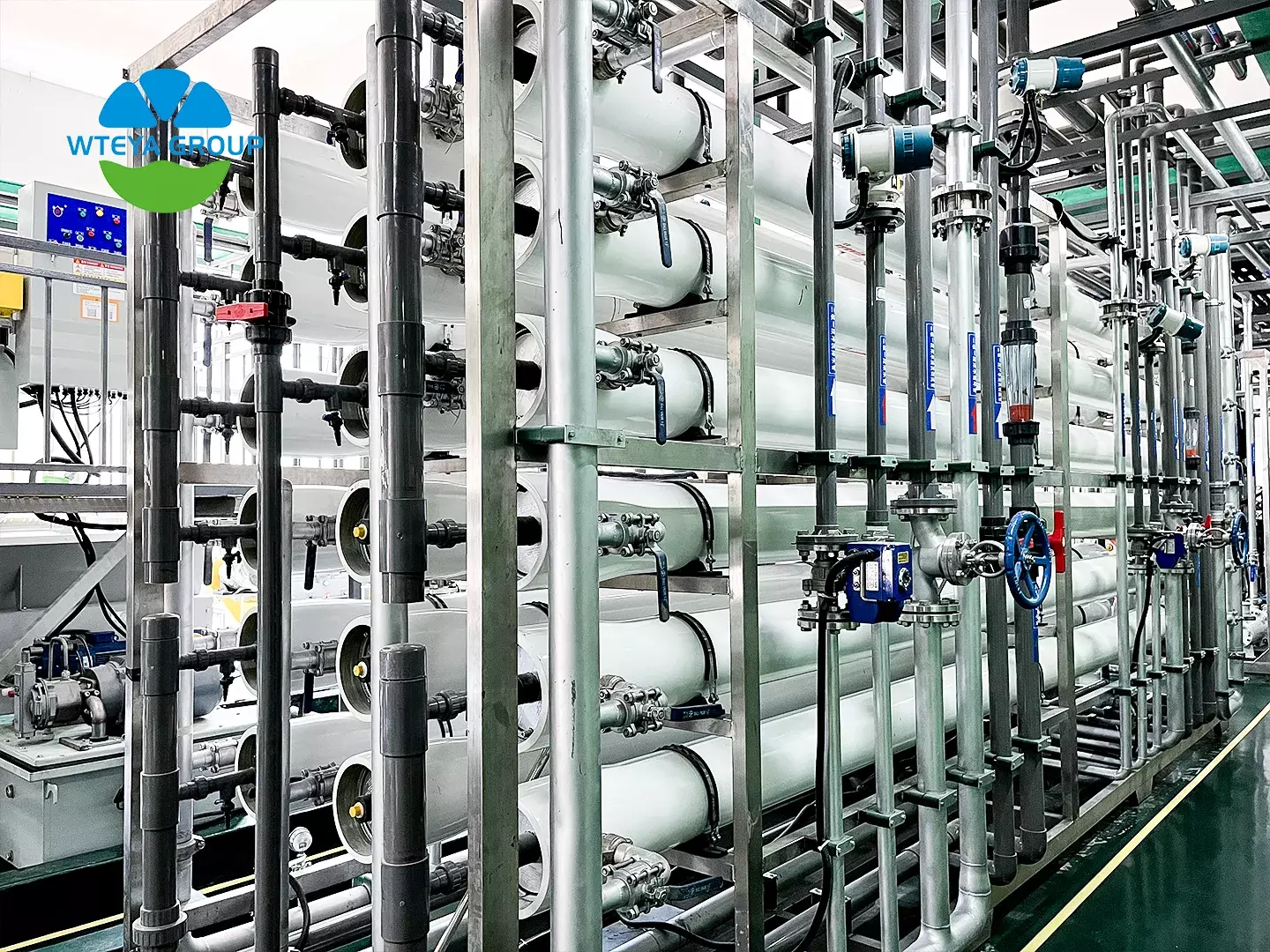
A power station needs water the way it needs fuel: continuously, in large volumes, and at a quality it can depend on. Coastal plants sit beside an unlimited supply, yet many still depend on municipal or river allocations for the water they consume. An on-site desalination plant removes that dependency, turning seawater into cooling water and boiler makeup water under the plant's own control.
Thermal plants draw water in two very different streams. The largest by volume is cooling water, used to condense steam once it has left the turbine. The smaller but far more demanding stream is boiler makeup water, which must be almost free of dissolved salts to protect the steam cycle from scaling and corrosion.
⚡ Why Power Plants Need a Water Source of Their Own
Sites on the coast have always had the raw material on the doorstep. What they lack is a reliable allocation: municipal networks are shared with residential demand, river and reservoir supplies tighten in dry years, and permit conditions can cap withdrawal volumes. A desalination plant inside the fence converts an uncertain allocation into a controlled utility.
It also removes a second kind of risk. When a plant's water intake is shared with agriculture or a growing city, output can be curtailed by drought policy rather than by equipment failure. A dedicated seawater train keeps generation independent of rainfall.
🌊 From Seawater to Boiler Makeup Water
Step 1 — Intake and pretreatment. Seawater is drawn in and passed through pre-filtration that removes sand, suspended solids and biological load, with antiscalant and dechlorination dosing added ahead of the membranes.
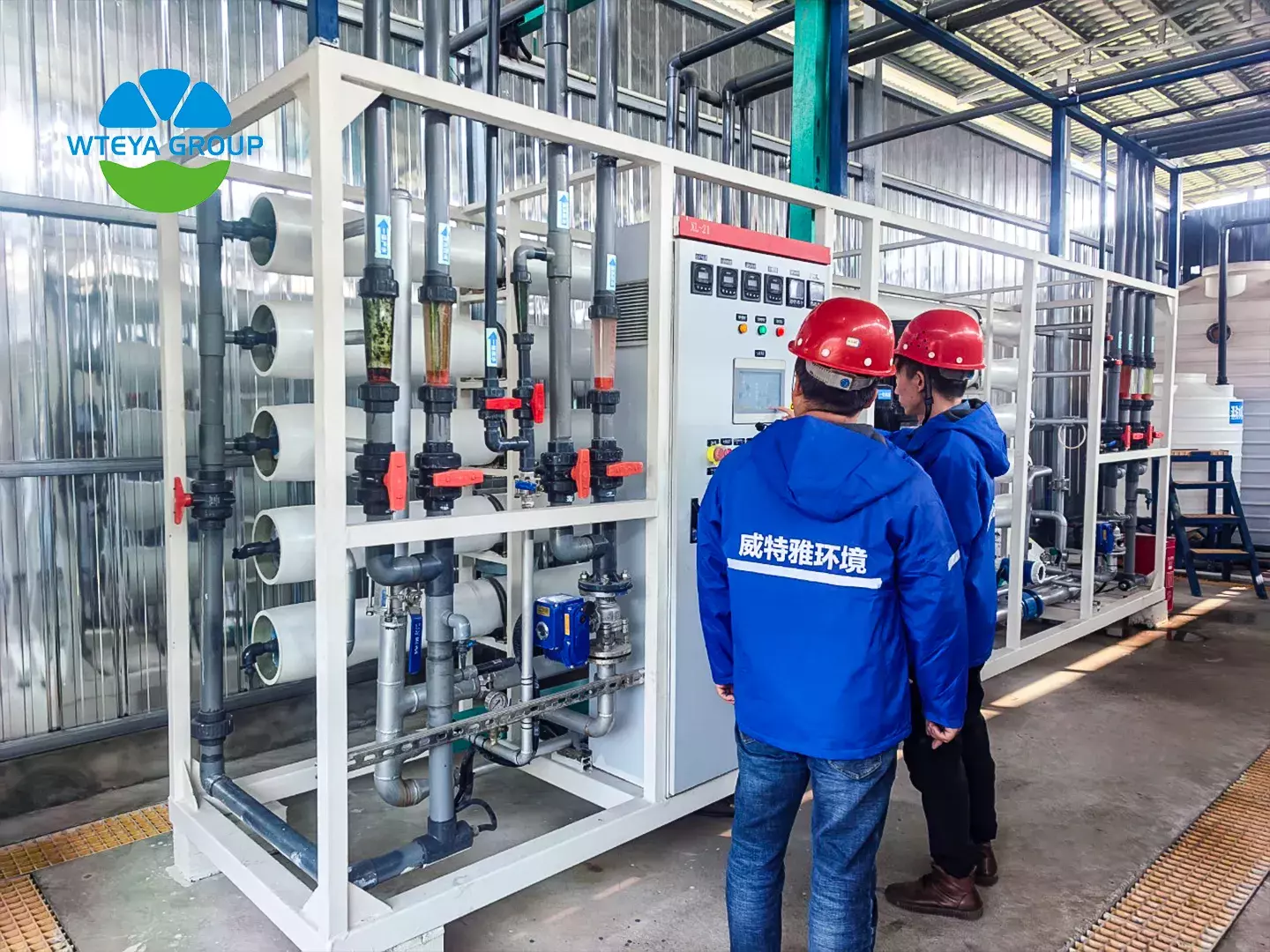
Step 2 — High-pressure reverse osmosis. A high-pressure pump raises the pretreated feed to membrane pressure inside a seawater desalination plant, where dissolved salts are rejected at 99.5% and product water leaves below 200 ppm TDS.
Step 3 — Post-treatment and polishing. Cooling and general service duties can take the first-pass permeate after remineralisation. Boiler makeup is different: it passes through a second RO stage or mixed-bed polishing so the steam cycle receives water of the purity it requires.
♻️ Energy Recovery and Waste Heat: The Two Cost Levers
Pumping seawater up to membrane pressure is where nearly all of the electricity goes. The brine leaving the membrane train still carries most of that pressure, and an energy recovery device transfers it to the incoming feed, so the high-pressure pump only has to make up friction and membrane losses.
With recovery fitted, the membrane system settles at 3 to 4 kWh/m³ of fresh water. Without it, the same train runs at 5 to 7 kWh/m³ — roughly 30% more power for the same output.
Power plants hold a second lever that few other sites have: waste heat. Cooling-water return, turbine exhaust and flue-gas streams can pre-heat the feed, which keeps membrane performance stable in cold seawater and lowers the pressure the pump must deliver. In effect, the plant's own thermal cycle helps pay for its water supply.
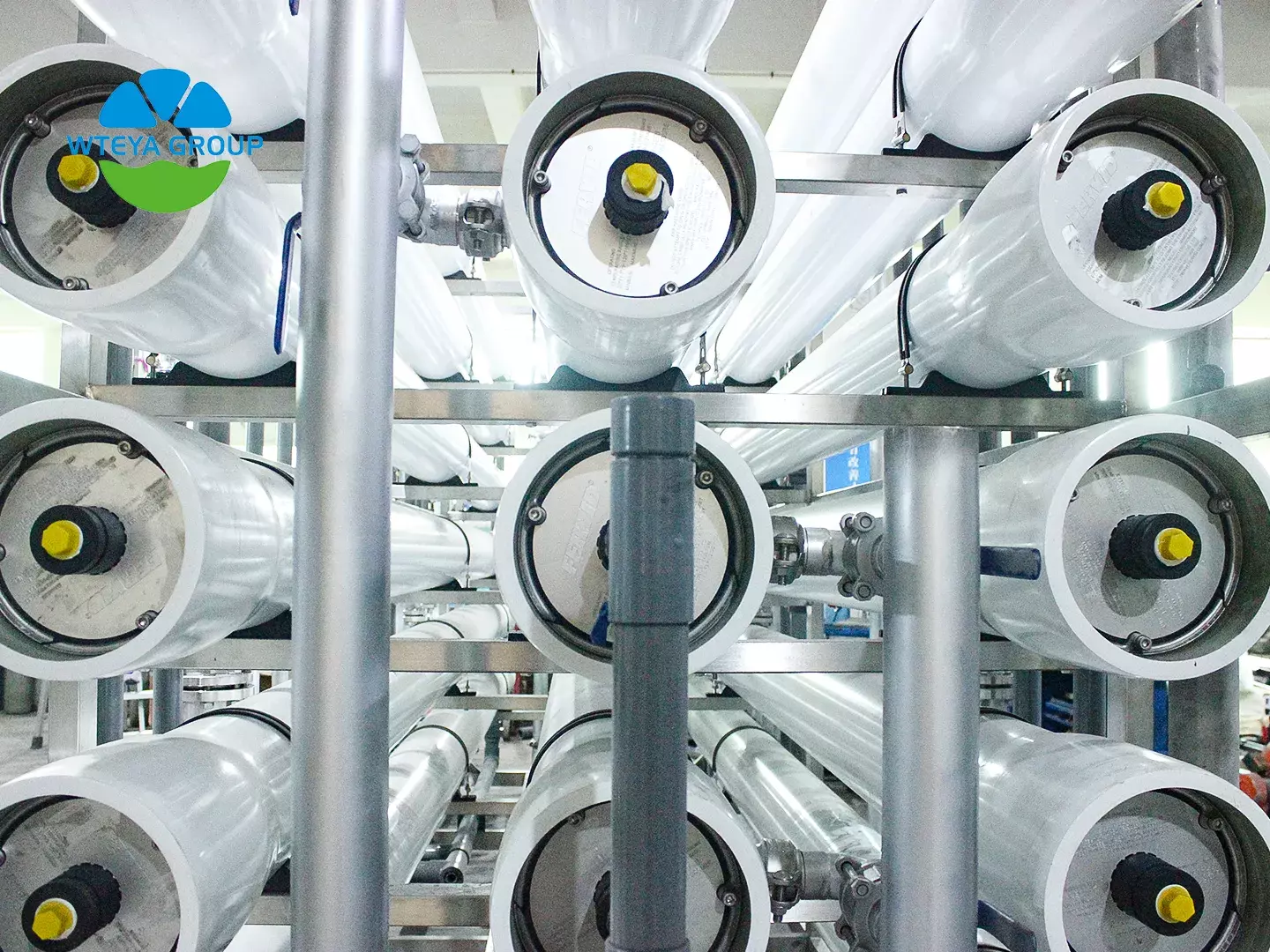
📊 What a Power Plant Desalination Plant Delivers
WTEYA builds these plants in two standard capacities — 5 t/h (about 120 m³/day) and 10 t/h (about 240 m³/day) — with salt rejection of 99.5% and system recovery of 40% to 50%, set by seawater salinity and temperature.
Product water quality sits below 200 ppm TDS, meeting WHO drinking-water guidelines and — after polishing — boiler feed requirements. Specific energy consumption is 3 to 4 kWh/m³ with energy recovery.
Installed cost is roughly USD 55,000 to 110,000 for a 5 t/h plant and USD 96,000 to 180,000 for 10 t/h, before civil works. Running cost lands near USD 0.55 to 1.10 per m³, of which electricity is about 60%.
Payback is typically 3 to 5 years against municipal or trucked water, and can shorten to 2 to 3 years where freshwater is bought at a premium or where discharge penalties apply.
🏭 Cooling, Boiler Feed and Beyond
One train usually serves several duties at once. Condenser cooling makeup and auxiliary cooling loops take the largest share of the flow; boiler makeup takes a smaller but higher-purity stream. Beyond those, demineralised water feeds flue-gas desulphurisation, dust suppression, ash handling and washdown, while a potable branch covers staff facilities.
Because demand is rarely uniform, plants choose a configuration that can grow: an integrated skid for tight sites, a containerised unit for fast deployment or relocation, or a multi-skid layout for phased expansion.
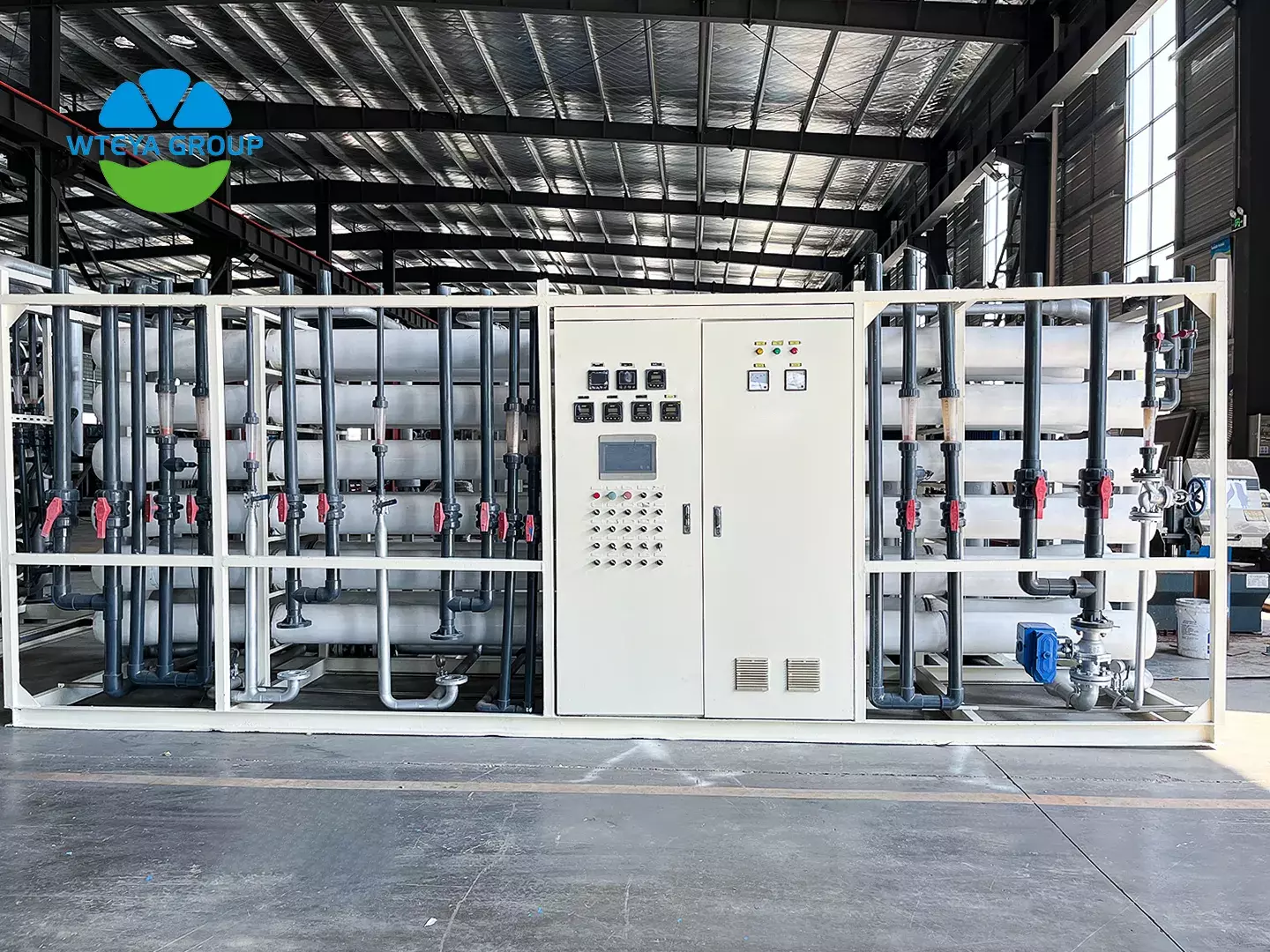
🏆 Why Choose WTEYA
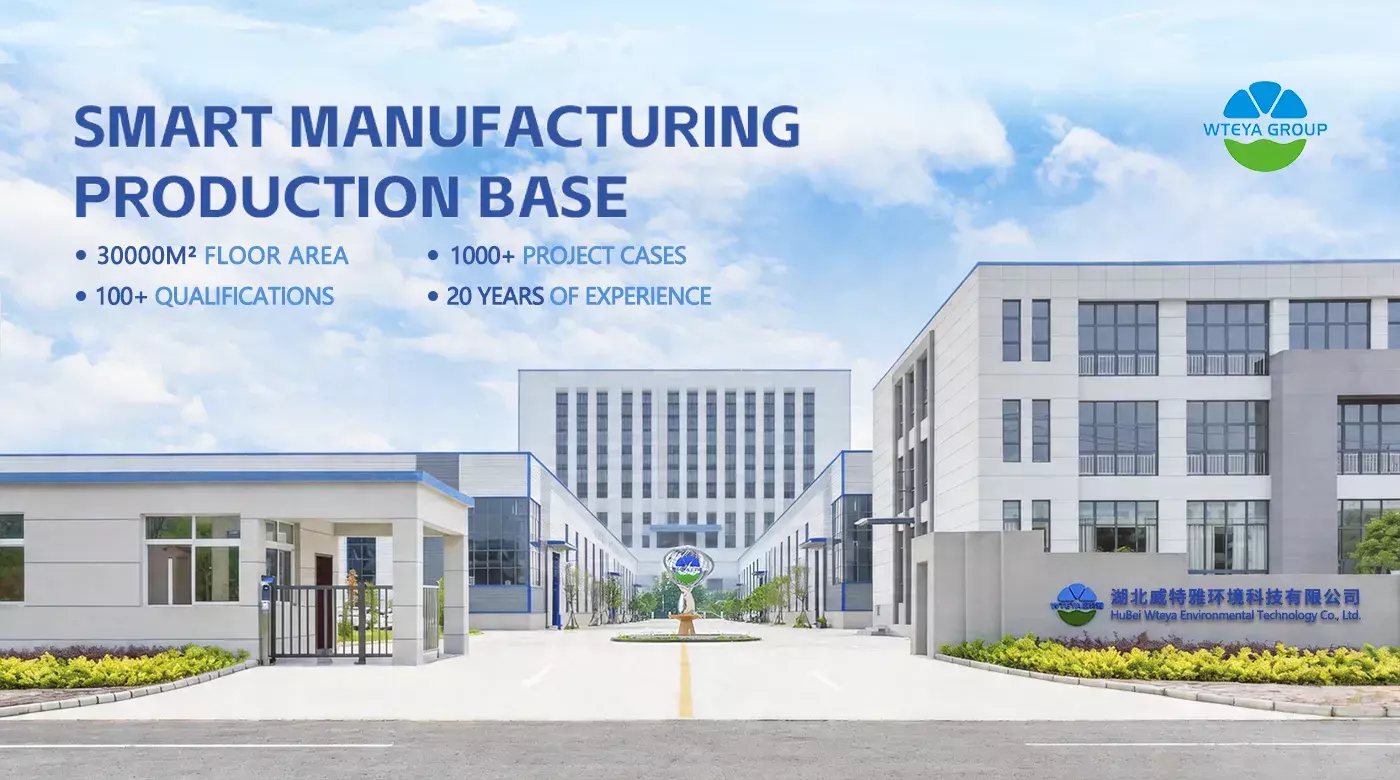
WTEYA has close to 20 years of experience in water treatment and has delivered systems for more than 2,000 clients across 30-plus provinces. For power plant projects we size the pretreatment for the actual seawater — high turbidity, high sand content, low temperature or elevated salinity — because that choice, not the membrane alone, decides long-run reliability.
Scope covers water treatment systems from design and manufacture through installation, commissioning, operator training and membrane replacement, so a plant's water supply stays inside one accountable contract.
❓ Frequently Asked Questions
Can one desalination plant cover a power plant's whole water demand?
For cooling and general service water, usually yes — those duties tolerate first-pass permeate. Boiler makeup is the exception: it needs a second RO pass or mixed-bed polishing, so most plants configure a dedicated high-purity branch rather than treating the entire flow to boiler standard.
How much electricity does power plant desalination consume?
With energy recovery, expect 3 to 4 kWh/m³. A comparable train without energy recovery runs at 5 to 7 kWh/m³, about 30% more, and pre-heating the feed with the plant's own waste heat trims the figure further in cold-water conditions.
How much does a power plant desalination system cost?
A 5 t/h plant (about 120 m³/day) typically falls in the range of USD 55,000 to 110,000 installed, and a 10 t/h plant about USD 96,000 to 180,000, before civil works. Running cost lands near USD 0.55 to 1.10 per m³, with electricity the largest single item.
Become a WTEYA authorized dealer for power plant and industrial desalination equipment. Exclusive territories, competitive pricing, and full factory support.
📲 WhatsApp: +86-1800 2840 855
📧 Email: info@wteya.com
🌐 Website: www.wteya.com