






Why Is Wastewater from Lithium Battery Recycling So Difficult to Treat?
01. The Surge of Battery Retirement and the Emerging Wastewater Crisis
With the explosive growth of the new energy vehicle industry, a large-scale retirement wave of power batteries has already begun.
When the capacity of lithium-ion batteries drops below 80% of their rated value, they are classified as retired and typically follow two pathways:
1. Cascade utilization (30%–80% remaining capacity)
Used in energy storage systems, low-speed electric vehicles, and other secondary applications.
2. Recycling and dismantling (below 30% capacity)
Used to extract valuable metals and recover raw materials.
However, during the dismantling and recycling stage, a long-overlooked issue is becoming increasingly critical — industrial wastewater treatment.
Wastewater generated in lithium battery recycling is widely recognized as “three-high wastewater”:
• High salinity
• High heavy metal content
• High toxicity
Conventional wastewater treatment technologies are often either ineffective or extremely costly when dealing with such complex effluents.
02. Water Quality Characteristics: Why Is It So Challenging?
Extremely High Pollutant Concentration
Wastewater contains large amounts of sulfate compounds (nickel-cobalt-manganese sulfates). Total dissolved solids (TDS) can reach tens of thousands to over 100,000 mg/L, creating severe challenges for most treatment systems.
High Toxicity and Environmental Risk
Heavy metals such as nickel (Ni), cobalt (Co), manganese (Mn), and copper (Cu) are highly toxic and bio-accumulative.
If discharged untreated, they can cause:
• Long-term soil contamination
• Surface water pollution
• Groundwater degradation
• Irreversible ecological damage
High Resource Content: Waste and Value Coexist
Interestingly, this wastewater also contains valuable metals:
• Nickel
• Cobalt
• Lithium
• Copper
• Aluminum
• Iron
From a recycling perspective, it is a high-value resource stream. However, from a treatment perspective, increasing complexity significantly raises processing difficulty.
03. Existing Treatment Methods and Their Limitations
As a relatively new industry, lithium battery recycling has not yet developed a mature or standardized wastewater treatment system.
Mainstream Methods Comparison
| Method | Advantages | Limitations |
|---|---|---|
| Electrolysis | High selectivity, high metal purity | Not suitable for low concentration; high energy consumption |
| Chemical precipitation | Simple and easy operation | Large sludge generation; secondary pollution risk; high reagent cost |
| Biological adsorption | Environmentally friendly | Ineffective for high concentration; sensitive to pH and temperature |
| Ion exchange | High effluent quality for low concentration | Frequent resin regeneration; high maintenance cost |
Challenges for SMEs
Small and medium-sized enterprises are often deterred by:
• High capital investment
• High operating costs
• Complex system requirements
As a result, some companies may even resort to non-compliant treatment practices.
Large Enterprises’ Approach
Some large enterprises adopt “ultrafiltration + reverse osmosis (UF + RO)”, achieving high-quality effluent close to potable standards.
However, a major issue remains:
The system only produces clean water, while generating a highly concentrated brine stream containing even higher levels of salts and heavy metals, which is extremely difficult to handle.
04. The Breakthrough Solution: Evaporation Crystallization + Resource Recovery
To address high-concentration wastewater from battery recycling, Wteya Environmental Technology (Wteya) proposes a core solution:
Evaporation Crystallization-Based Zero Liquid Discharge (ZLD) System
Core Principle
Instead of attempting to eliminate pollutants chemically, the system separates water and contaminants through phase transformation:
• Water → evaporated and condensed into high-purity reusable water
• Pollutants → crystallized into solid salts and metal residues
Why Is Evaporation Crystallization Ideal?
| Wastewater Characteristic | Advantage of Evaporation Crystallization |
|---|---|
| High salinity (high TDS) | Salt naturally crystallizes without limitation |
| Heavy metals present | Metals are fully separated into solid residue |
| Complex composition | Stable performance under fluctuating conditions |
| Valuable metal content | Enables downstream metal recovery (Ni, Co, Li) |
Wteya Process Flow
Battery recycling wastewater → Pretreatment → Membrane concentration → MVR evaporation crystallization → Output
| Stage | Function | Output |
|---|---|---|
| Pretreatment | Remove suspended solids, adjust pH, reduce hardness | Stable feed water |
| Membrane concentration | Preliminary concentration and water recovery | Reusable clean water + concentrated brine |
| MVR evaporation crystallization | Final separation and crystallization | High-purity condensate + solid salt/metal residue |
Final Outcome
• Achieves zero liquid discharge (ZLD)
• Converts metal-rich wastewater into solid-state recoverable resources
• Enables further recovery of nickel, cobalt, lithium, and other valuable metals
05. Wteya’s Three Core Advantages
① Productization: From Engineering Projects to Standard Equipment
| Traditional Approach | Wteya Approach |
|---|---|
| Custom-built projects | Standardized industrial products |
| On-site assembly | Factory pre-assembled systems |
| Unstable quality | Factory-tested reliability |
| Long commissioning cycles | Rapid deployment |
② Modular Design: 80% Faster Installation
• Factory pre-assembled modules
• Transported as integrated units
• On-site only requires pipeline and cable connection
Key benefits:
• Compact footprint
• Easy transportation
• Flexible deployment
• Reduced investment and installation time
③ Intelligent Automation: Unmanned Operation
Wteya’s MVR system integrates a smart cloud control platform:
| Feature | Value |
|---|---|
| 24/7 unmanned operation | Reduces labor dependency |
| Remote monitoring & diagnostics | Real-time system visibility |
| Data-driven optimization | Lower energy consumption |
06. Industry Value: From Environmental Burden to Economic Asset
Implementing Wteya’s solution enables triple value transformation:
🌿 Environmental Compliance
• Achieves zero liquid discharge
• Eliminates regulatory risks
• Ensures long-term sustainability
💰 Cost Reduction
• Reuses high-purity condensed water
• Reduces freshwater consumption
• Lowers wastewater discharge costs
🔄 Resource Recovery
• Solid residues contain valuable metals
• Enables further extraction of nickel, cobalt, lithium
• Turns waste into revenue-generating resources
Conclusion: Only Technological Upgrades Can Solve the Industry Bottleneck
| Challenge | Root Cause |
|---|---|
| High salinity | Incompatible with biological systems |
| Heavy metals | High cost and secondary pollution risk |
| High toxicity | Strict environmental safety requirements |
| High resource value | Requires simultaneous recovery and treatment |
| Emerging industry | Lack of standardized solutions |
The integrated solution of:
Pretreatment + Membrane Concentration + MVR Evaporation Crystallization
represents a shift toward:
• Productized systems
• Modular engineering
• Intelligent automation
This approach enables lithium battery recycling enterprises to achieve:
• Zero liquid discharge
• Valuable metal recovery
• Low-cost intelligent operation
Final Insight
The wave of battery retirement is accelerating. In this new era, wastewater treatment capability is becoming a core competitive advantage for recycling enterprises. Choosing advanced evaporation crystallization technology means more than solving wastewater issues — it means transforming every drop of water and every gram of metal into maximum value.
Why Partner with WTEYA?
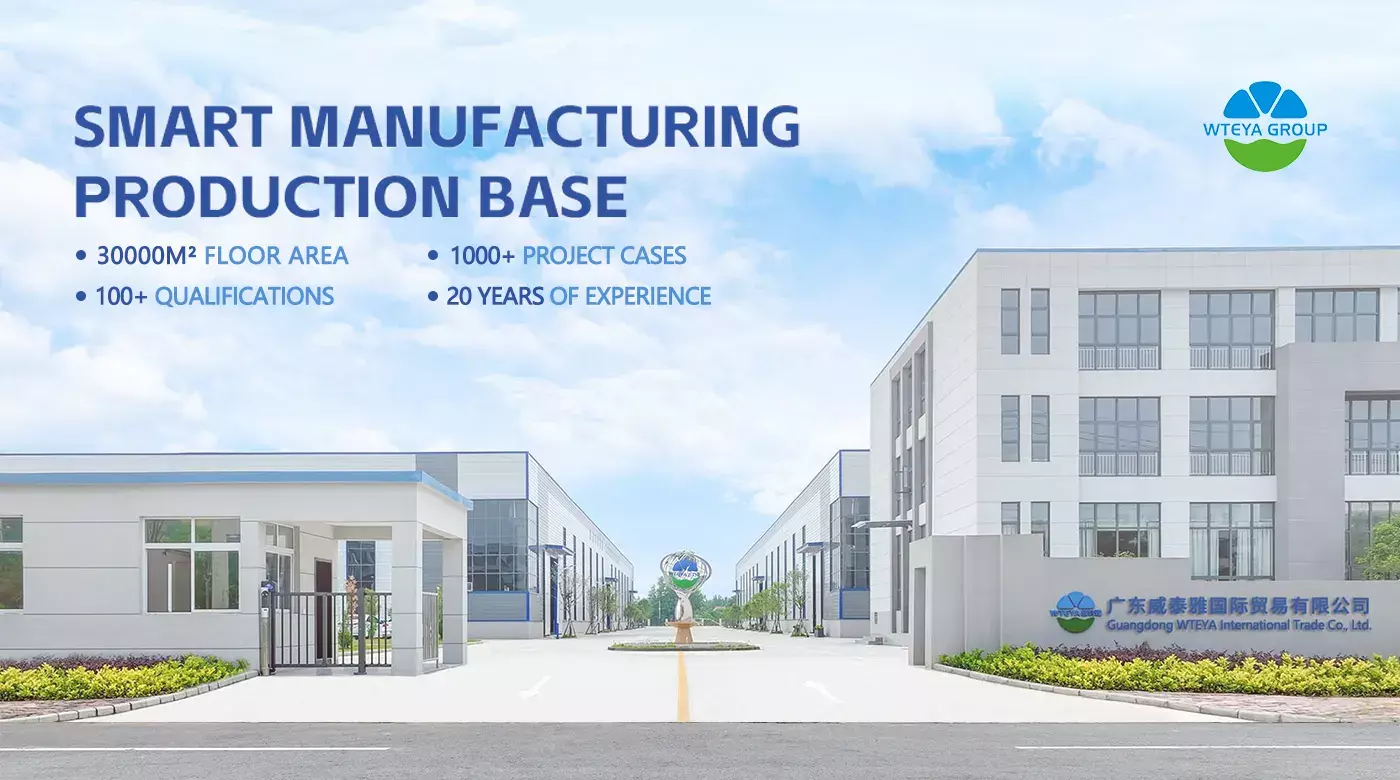
• Nearly 20 years of industry experience
• Trusted by global leaders including Foxconn, Huawei, Ganfeng Lithium, Ronbay Technology
• 100+ success cases worldwide
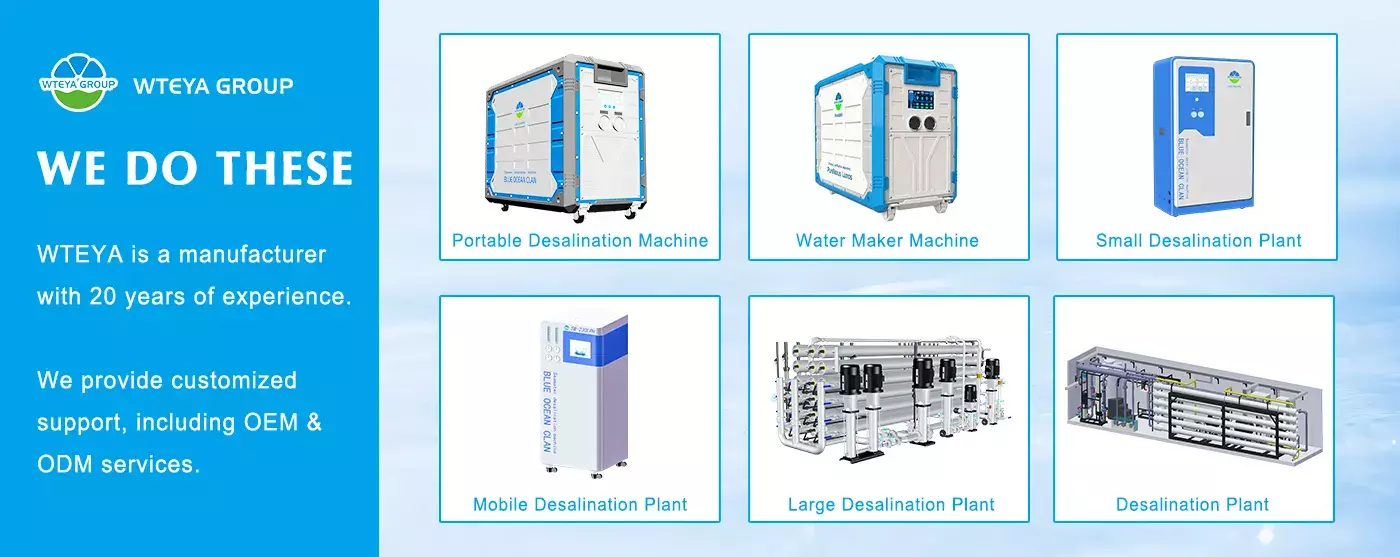
• OEM & ODM customization available
Become a WTEYA Distributor!
We are expanding global partnerships:
• Preferential policies
• Professional training
• Full technical support
Let us help you achieve exceptional water quality and operational sustainability!
📲 WhatsApp: +86-1800 2840 855
📧 Email: info@wteya.com
🌐 Website: www.wteya.com