






Why Do MVR Evaporators Still Face Scaling and Corrosion During Long-Term Operation?
In modern industrial production—especially in sectors such as chemical processing, pharmaceuticals, metal finishing, electronics wastewater treatment, and high-salinity inorganic wastewater discharge—MVR (Mechanical Vapor Recompression) evaporators have become a mainstream solution due to their energy efficiency and environmental benefits.
By recycling secondary steam generated during evaporation, MVR systems significantly reduce energy consumption while achieving high concentration efficiency and stable output water quality.
However, even with advanced engineering design and high-performance materials, scaling and corrosion remain unavoidable challenges during long-term operation. These issues reduce heat transfer efficiency, compromise system stability, and increase maintenance costs.
This article provides an in-depth analysis of the root causes and explores how WTEYA MVR inorganic wastewater evaporators effectively address these challenges.
1. Core Working Principle of MVR Evaporators
Mechanical Vapor Recompression (MVR) Technology
MVR systems compress secondary steam generated during evaporation and reuse it as a heat source. This closed-loop system dramatically reduces dependence on external steam.
Compared with traditional multi-effect evaporators, MVR systems can reduce energy consumption by 30%–50%, while lowering carbon emissions.
Falling Film Evaporation Technology
A thin liquid film forms on the heat transfer surface, allowing efficient evaporation.
Key advantages include:
• Improved heat transfer efficiency
• Reduced local overheating
• Lower scaling risk
Efficient Energy Recovery
The reuse of compressed steam ensures stable temperature and evaporation rates, which is critical for handling high-salinity wastewater.
2. Mechanisms of Scaling and Corrosion
Salt Precipitation and Scaling
Industrial wastewater often contains calcium, magnesium, silicates, chlorides, and sulfates.
As water evaporates, salt concentration increases until it exceeds solubility limits, leading to crystallization and deposition on heat exchange surfaces.
• Calcium carbonate → dense and hard scale
• Sulfates → loose deposits but still harmful
These deposits reduce heat transfer efficiency and create localized overheating.
High-Temperature Chemical Corrosion
MVR systems typically operate at 60°C–120°C, accelerating chemical reactions.
Common corrosion types:
• Pitting corrosion: caused by chloride ions
• Uniform corrosion: due to acidic or alkaline media
• Crevice corrosion: occurs in stagnant zones
Long-term corrosion leads to equipment degradation and potential system failure.
Uneven Liquid Film Distribution
In practice, liquid films may become uneven due to:
• Poor flow dynamics
• High viscosity wastewater
This creates localized high-concentration zones, accelerating scaling and corrosion.
Insufficient Maintenance
Without proper cleaning and maintenance, deposits accumulate, reducing efficiency and shortening equipment lifespan.
3. Impact on Industrial Operations
| Impact Area | Description | Consequence |
|---|---|---|
| Heat Transfer | Scale increases thermal resistance | Higher energy consumption |
| Equipment Life | Corrosion damages materials | Increased replacement cost |
| Stability | Uneven operation | Frequent downtime |
| Water Quality | Contamination from deposits | Affects reuse/discharge |
4. WTEYA MVR Evaporator Optimization Technologies
High Corrosion-Resistant Materials
• Advanced alloys and stainless steel
• Anti-corrosion coatings
• Extended service life in harsh environments
Optimized Film Distribution & Heat Transfer
• Uniform liquid film design
• Improved flow channels
• Reduced stagnant zones
Intelligent Monitoring & Automatic Cleaning
• Real-time sensors (temperature, pressure, level)
• Automatic backwashing & chemical cleaning
• Predictive maintenance via data analysis
Efficient Steam Recovery System
• Maximized energy reuse
• Reduced external energy demand
• Stable temperature control
Proven Industrial Performance
In industries such as chemical processing and electronics wastewater treatment, WTEYA systems have:
• Operated continuously for over 3 years
• Reduced scaling and corrosion rates
• Lowered energy consumption by 30%–50%
5. Operation and Maintenance Strategies
To ensure long-term performance:
• Feedwater pretreatment: remove suspended solids and reduce scaling potential
• Process optimization: control temperature, pressure, and film thickness
• Regular cleaning: maintain heat exchange efficiency
• Smart monitoring: detect early signs of scaling and corrosion
6. Energy-Saving and Environmental Benefits
WTEYA MVR evaporators deliver:
• Energy efficiency: significant reduction in steam consumption
• Environmental protection: lower emissions and wastewater discharge
• Reduced maintenance cost: fewer shutdowns
• Sustainable operation: improved resource utilization
Conclusion:
Scaling and corrosion in MVR evaporators are primarily caused by:
• Complex wastewater composition
• High-temperature chemical reactions
• Uneven liquid film distribution
• Material limitations
These issues negatively impact efficiency, lifespan, and operating costs.
WTEYA MVR inorganic wastewater evaporators effectively address these challenges through advanced materials, optimized design, intelligent monitoring, and energy-efficient systems—ensuring stable, long-term, and cost-effective operation.
Why Partner with WTEYA?
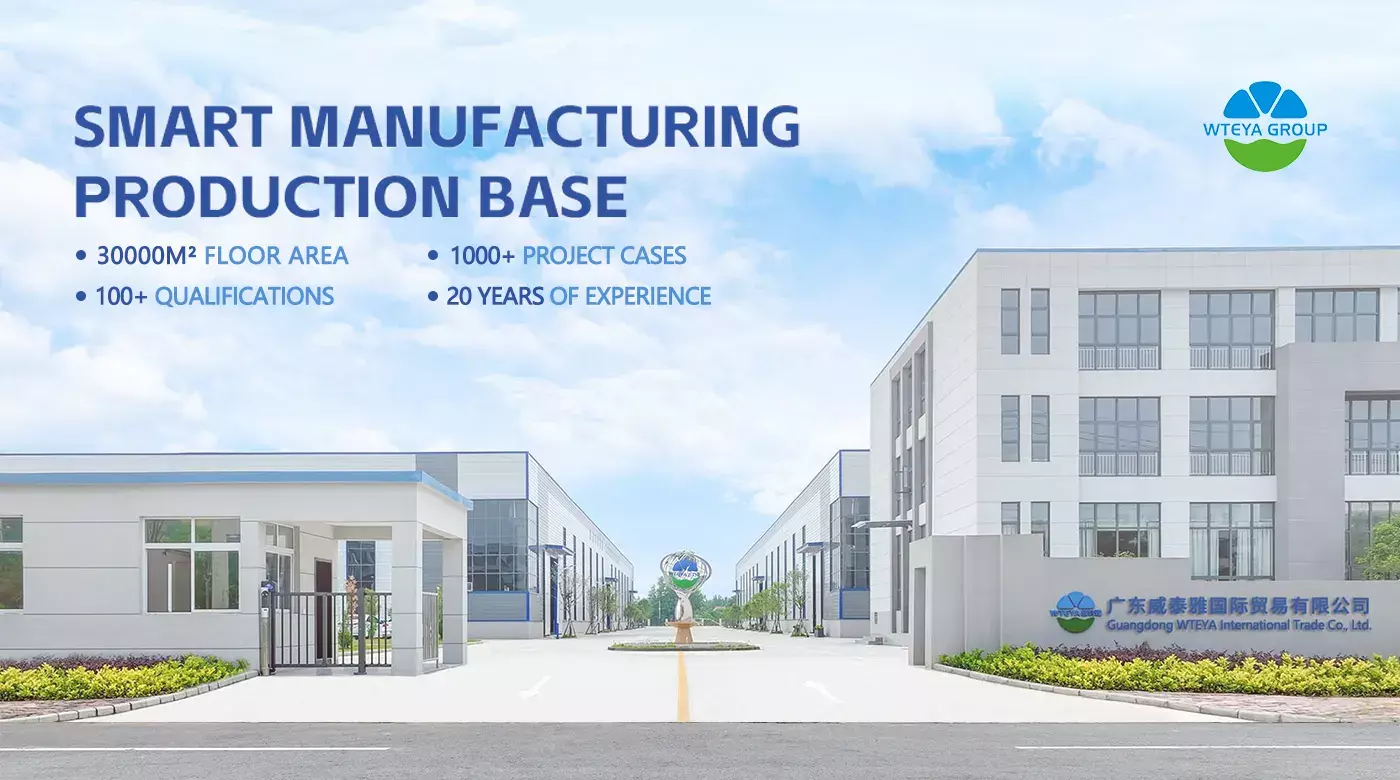
• Nearly 20 years of industry experience
• Trusted by global leaders including Foxconn, Huawei, Ganfeng Lithium, Ronbay Technology
• 100+ success cases worldwide
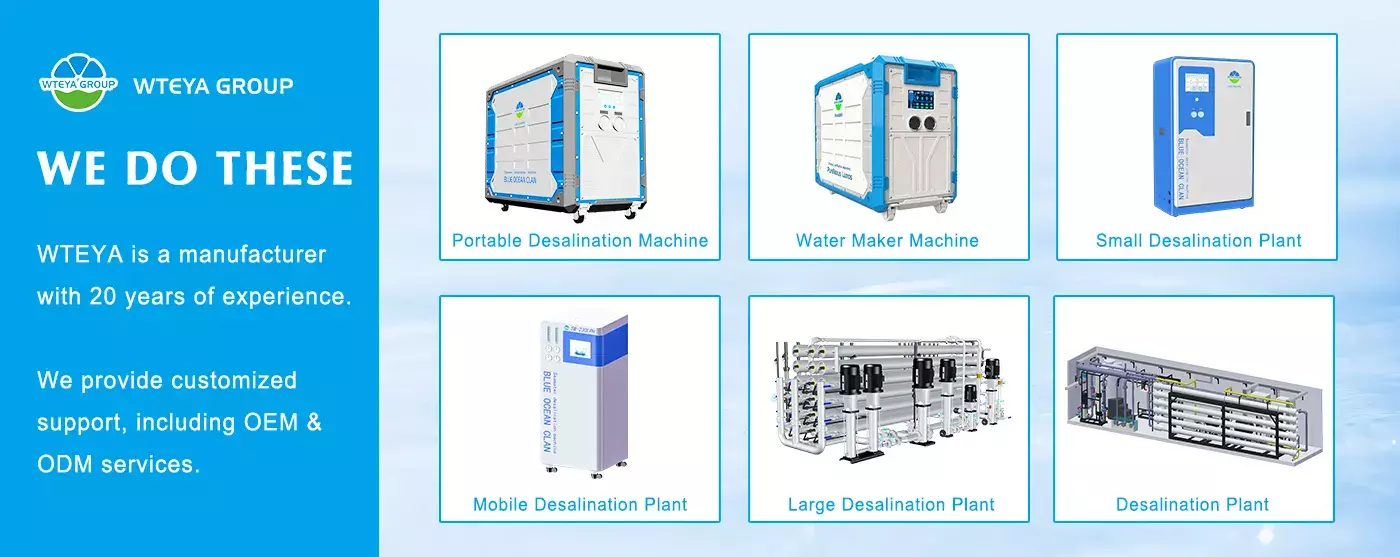
• OEM & ODM customization available
Become a WTEYA Distributor!
We are expanding global partnerships:
• Preferential policies
• Professional training
• Full technical support
Let us help you achieve exceptional water quality and operational sustainability!
📲 WhatsApp: +86-1800 2840 855
📧 Email: info@wteya.com
🌐 Website: www.wteya.com