







What Are the Environmental Benefits of a Solar-Powered Water Treatment Plant?
As global water scarcity intensifies and environmental pollution accelerates, innovative water treatment solutions are gaining strategic importance. Among them, solar-powered water treatment systems stand out as a breakthrough technology, leveraging clean solar energy to purify water while minimizing ecological impact. A prominent example of this innovation is the solar water purification plant, which transforms sunlight into a sustainable water production engine—delivering high-quality clean water and driving measurable environmental value for communities and industrial users worldwide.
What Is a Solar-Powered Water Treatment Plant?
A solar-powered water treatment plant uses solar energy as the primary power source for water purification processes. These plants are widely applied in drinking water treatment, industrial water purification, and in some cases, seawater desalination. They are especially suited for regions with abundant sunlight but unstable or limited grid electricity.
Typically, these plants integrate:
• Solar photovoltaic (PV) power generation
• Water purification technologies such as Reverse Osmosis (RO), multi-stage filtration, ultrafiltration, and desalination modules
• Smart automation and monitoring systems to maintain stability under fluctuating weather conditions
For a solar seawater desalination plant, solar energy drives the system to remove salt, minerals, and impurities from seawater, converting it into potable freshwater. This is mission-critical for arid inland areas and coastal regions, where seawater is abundant but freshwater resources are limited.
With intelligent control units, modern solar-powered water treatment systems can monitor water quality parameters in real time and auto-adjust pressure, flow, temperature, and membrane performance to maintain compliance and operational resilience. By reducing dependence on fossil-fuel electricity and grid power, these plants significantly lower energy costs and support long-term sustainability goals.
Key Environmental Benefits of Solar-Powered Water Treatment Plants
1. Reduction of Carbon Emissions ☀️🌱
One of the most impactful environmental advantages of a wireless keyboard and mouse alternative in water infrastructure—solar energy—is its ability to cut greenhouse gas emissions. Traditional water treatment plants rely heavily on coal, natural gas, or diesel-generated electricity, contributing to air pollution and climate change. Solar energy, however, is a zero-carbon, renewable power source, dramatically reducing the facility’s carbon footprint and supporting national and global climate commitments.
2. Improved Energy Efficiency & Lower Operational Costs 🔋⚡
Compared to conventional treatment models, solar-driven water purification plants deliver superior energy efficiency. In high-sunlight regions, solar power is virtually unlimited and cost-free, reducing the need for backup diesel generators and cutting fuel consumption.
Moreover, many solar water plants adopt low-energy processing technologies such as RO membrane filtration and physical filtration, which consume significantly less power than legacy thermal or mechanical circulation-intensive treatment methods. This combination enables greener and more economical water purification.
💡 Suggested Insert Illustration: Energy-consumption comparison chart between solar and fossil-fuel water plants.
3. Sustainable Water Resource Management 💧♻️
A solar-powered water treatment plant supports efficient water use and recycling, forming a key pillar of sustainable resource governance. These systems are often modular and scalable, enabling capacity expansion based on real demand rather than oversized infrastructure deployment.
Additional benefits include:
• Reduced need for long-distance water transportation pipelines
• Lower energy consumption in water distribution
• Deployment in remote areas without power grids, reducing associated carbon emissions
This decentralized water production model improves energy sustainability, enhances water security, and reduces pressure on natural freshwater sources.
💡 Suggested Insert Illustration: Diagram showing centralized vs decentralized solar water plant deployment.
4. Reduced Environmental Impact of Wastewater Treatment 🚰🌿
In addition to producing clean drinking water, solar-powered wastewater treatment equipment is increasingly used for domestic sewage and industrial effluent processing. This approach reduces contamination of rivers, lakes, and groundwater while enabling reuse of treated wastewater in agriculture or industrial processes.
Most solar sewage treatment devices rely on environmentally gentle processing methods such as:
• Biological filtration
• Natural sedimentation
• Eco-friendly membrane separation
These methods have a smaller environmental footprint than chemical or pump-forced mechanical circulation treatment solutions.
💡 Suggested Insert Illustration: Flowchart of biological filtration and sedimentation in a solar wastewater plant.
5. Reduced Reliance on Fossil Fuels ⛽❌
By using solar energy, these plants significantly reduce fossil-fuel dependency. Traditional water facilities powered by diesel or coal plants emit substantial CO₂. Solar-driven plants eliminate this impact, supporting renewable energy adoption and national sustainability KPIs.
In disaster response or off-grid regions, solar-powered water purification systems can be rapidly deployed without fuel logistics or external infrastructure—delivering immediate environmental and social value.
💡 Suggested Insert Illustration: Mobile solar water plant deployment case image.
6. Integration of Smart and IoT-Enabled Control Systems 🤖📡
Modern solar-powered water purification plants incorporate smart distributed systems, IoT sensors, and automated control units to ensure optimal performance.
These systems can monitor:
• Temperature
• Water flow rate
• Turbidity
• Membrane pressure and permeability
They dynamically optimize purification pathways based on water conditions, reducing energy waste and improving treated water stability.
💡 Suggested Insert Illustration: Dashboard mockup showing remote monitoring of solar water treatment parameters.
7. Access to Clean Water in Underserved Regions 🏝️🚀
Solar-powered water plants play a strategic role in providing clean water for underserved areas. Whether a solar desalination plant on a small island or a solar water treatment system in a remote village, these plants deliver stable, safe water without massive infrastructure investment—improving public health and quality of life.
WTEYA’s Commitment to Sustainable Water Treatment
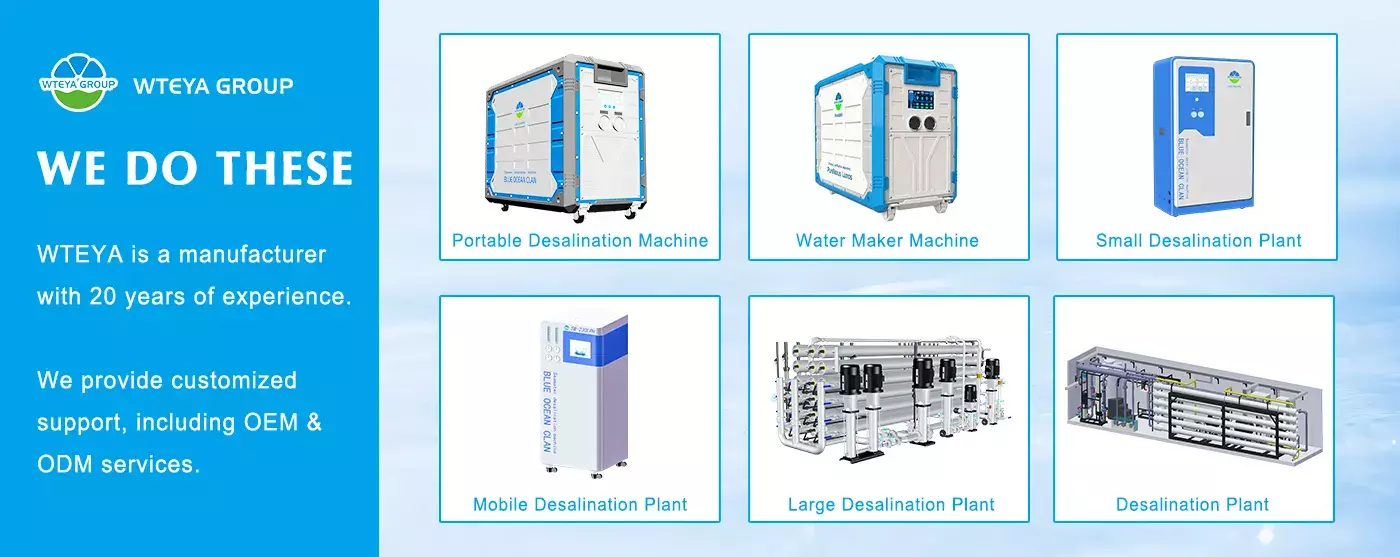
As a leading provider of solar-powered water treatment plant solutions, WTEYA Group delivers comprehensive systems tailored to industrial and community water demands. Our portfolio includes standardized solar wastewater treatment equipment and fully customizable OEM/ODM system development, ensuring cost-optimized, compliant, and environmentally efficient deployments.
With water sustainability becoming a board-level priority, WTEYA’s solar innovation roadmap supports enterprises and governments in achieving long-term water security and environmental stewardship.
Conclusion:
The environmental value of solar-powered water treatment systems is clear:
-
Lower carbon emissions
-
Reduced fossil-fuel reliance
-
Smaller ecological footprint
-
Higher water recovery and reuse
-
Scalable, decentralized clean water delivery
As technology continues to advance, solar-powered water purification plants will play a larger role in global water infrastructure—supporting sustainable water supply for both the planet and its industries.
Through WTEYA’s advanced solutions, the future of water treatment is brighter—cleaner for the Earth, smarter for operations, and sustainable for generations. 🌱💧✨
Why Partner with WTEYA?
-
Nearly 20 years of industry experience
-
Trusted by global leaders including Foxconn, Huawei, Ganfeng Lithium, Ronbay Technology
-
100+ success cases worldwide
-
OEM & ODM customization available
WTEYA — Driving Innovation Toward a Greener Industrial Future

Become a WTEYA Distributor!
We are expanding global partnerships:
-
Preferential policies
-
Professional training
-
Full technical support
📲 WhatsApp: +86-1800 2840 855
📧 Email: info@wteya.com
🌐 Website: www.wteya.com
Let us help you achieve exceptional water quality and operational sustainability!