






Is Industrial Wastewater “Zero Liquid Discharge” a Marketing Hype or a Realistic Solution?
For many years, Zero Liquid Discharge (ZLD) was considered an ambitious concept in the industrial wastewater treatment industry. Some people even questioned whether it was merely a marketing term rather than a practical technology.
However, with increasingly strict environmental regulations, growing water scarcity, and continuous advancements in wastewater treatment technologies, the meaning of zero discharge has fundamentally changed.
Today, the key question is no longer:
“Is zero liquid discharge achievable?”
The real question has become:
“How can industries achieve stable, economical, and systematic zero liquid discharge?”
1. Why Is Zero Liquid Discharge Becoming an Inevitable Trend?
1.1 Policy Pressure: From Discharge Compliance to Zero Discharge
Environmental regulations worldwide are becoming increasingly strict. Many high-pollution and high-water-consumption industries are moving from traditional wastewater discharge management toward wastewater recycling and resource recovery.
|
Industry |
Regulatory Trend |
ZLD Development |
|
Coal Chemical Industry |
Stricter project approval requirements |
Zero discharge becoming an important requirement |
|
Electroplating Industry |
Tighter wastewater discharge limits |
Near-zero discharge required in some regions |
|
Lithium Battery Industry |
Higher water recycling requirements |
Encouraging wastewater reuse and recovery |
|
Power Generation Industry |
Stronger control of desulfurization wastewater |
ZLD gradually becoming common |
|
Waste Treatment Industry |
Stricter leachate standards |
Concentrated wastewater requires advanced treatment |
The overall trend is clear:
Industrial wastewater management is shifting from “meeting discharge standards” toward “eliminating liquid discharge.
1.2 Water Scarcity Drives Industrial Water Recycling
In many regions, especially areas with limited water resources, industries face increasing pressure to reduce freshwater consumption.
For enterprises, zero liquid discharge is no longer only an environmental responsibility. It represents a complete water recycling strategy:
• Wastewater → Reclaimed wate
• Reclaimed water → Production reuse
• Water costs → Internal closed-loop management
The fundamental change is moving from a traditional “wastewater discharge system” to a “water circulation system.”
1.3 Economic Value: From Cost Center to Resource Recovery System
More companies are choosing zero liquid discharge proactively rather than simply responding to environmental requirements.
The reasons include:
• Increasing industrial water costs
• Rising wastewater treatment fees
• Higher sludge and hazardous waste disposal costs
At the same time, industrial wastewater often contains valuable resources, including:
• Lithium salts
• Heavy metals such as nickel and copper
• Industrial salts such as NaCl and Na₂SO₄
Through advanced treatment technologies, wastewater can become a potential resource instead of only a disposal problem.
2. Why Do Some People Consider Zero Liquid Discharge a “Hype”?
Although ZLD technology has developed significantly, some misunderstandings still exist.
Misunderstanding 1: Zero Liquid Discharge Means Absolutely No Water Leaves the Factory
This is one of the most common misconceptions.
In engineering terms, Zero Liquid Discharge (ZLD) means:
No liquid wastewater is discharged into natural water bodies.
However, it does not mean:
• No water leaves the system
• No material changes form
During the treatment process:
• Water can be recovered and reused
• Salts can be crystallized into solid form
• Some water may leave as vapor
The real goal of ZLD is:
Eliminating liquid wastewater discharge, not eliminating water itself.
Misunderstanding 2: Zero Liquid Discharge Technology Is Not Mature
This idea mainly comes from early ZLD projects where high energy consumption and operational challenges limited wider adoption.
However, modern technology has improved significantly.
Evolution of Evaporation Technology
|
Development Stage |
Technology |
Characteristics |
|
Early Stage |
Multi-effect evaporation |
High energy consumption |
|
Intermediate Stage |
Improved evaporation systems |
Better efficiency |
|
Current Stage |
MVR evaporation systems |
Energy-saving and high efficiency |
Today, ZLD systems are often combined with:
• Membrane separation technology
• Advanced oxidation processes
• Intelligent control systems
This means zero liquid discharge has moved from an experimental concept to a mature industrial solution.
Misunderstanding 3: Zero Liquid Discharge Is Too Expensive and Only Suitable for Large Companies
From the perspective of initial investment alone, this concern may seem reasonable.
However, a complete cost analysis should consider:
Environmental Compliance Risks
• Potential penalties
• Production shutdown risks
• Regulatory liabilities
Water Resource Costs
• Increasing freshwater prices
• Rising wastewater discharge costs
Resource Recovery Benefits
• Salt recovery
• Metal recovery
• Water reuse
In the long term, ZLD is not simply an expense. It is a systematic approach to optimizing industrial water costs and improving resource efficiency.
3. Three Practical Levels of Zero Liquid Discharge
The definition of ZLD can be understood from three different levels.
Level 1: Ideal Zero Discharge Goal
The ultimate vision includes:
• No pollutant discharge into the environment
• Complete recycling of materials and resources
Level 2: Industrial Mainstream Application
This is the most common implementation today:
• Complete wastewater reuse
• No liquid wastewater discharge
• Salt solidification and treatment
Most mature industrial ZLD projects belong to this category.
Level 3: Advanced Resource Recovery
The future direction of ZLD development focuses on maximizing resource value:
• Separate crystallization
• Salt purification
• Recovery of industrial-grade NaCl and Na₂SO₄
Some advanced projects can already generate economic returns through recovered resources, helping offset operating costs.
4. WTEYA’s Practical Experience in Zero Liquid Discharge Solutions
Based on years of experience in industries including coal chemical, electroplating, lithium battery, and chemical manufacturing, WTEYA Group believes that successful ZLD systems require three essential factors.
4.1 Wastewater Separation Is the Foundation
Different wastewater streams require different treatment approaches.
Typical categories include
• Heavy metal wastewater
• High-salinity wastewater
• High-COD wastewater
Proper classification and collection improve treatment efficiency and system stability.
4.2 Pretreatment Determines System Reliability
Many failed ZLD projects are not caused by the main equipment, but by insufficient pretreatment.
Common issues include:
• Scaling
• Fouling
• Membrane contamination
• Foaming problems
Effective pretreatment extends equipment lifespan and reduces operational challenges.
4.3 System Integration Is the Core Capability
Zero liquid discharge is not a single piece of equipment.
It is a complete engineering system that includes:
• Wastewater collection systems
• Pretreatment systems
• Membrane concentration systems
• Evaporation and crystallization systems
• Salt recovery systems
A successful ZLD project depends on the integration and coordination of every stage.
5. Conclusion: Is Zero Liquid Discharge a Hype or Reality?
The answer is clear:
Zero Liquid Discharge is neither a marketing hype nor a universal solution. It is a mature and evolving approach for industrial water management.
ZLD may not be suitable for every company, but it has already become an important trend in industries with:
• Strict environmental regulations
• Limited water resources
• High-salinity or highly polluted wastewater
The future of industrial wastewater treatment is no longer only about controlling discharge.
It is about:
Water recycling + Resource recovery + Closed-loop industrial water systems
Zero liquid discharge is one of the key technologies supporting this transformation.
Why Partner with WTEYA?
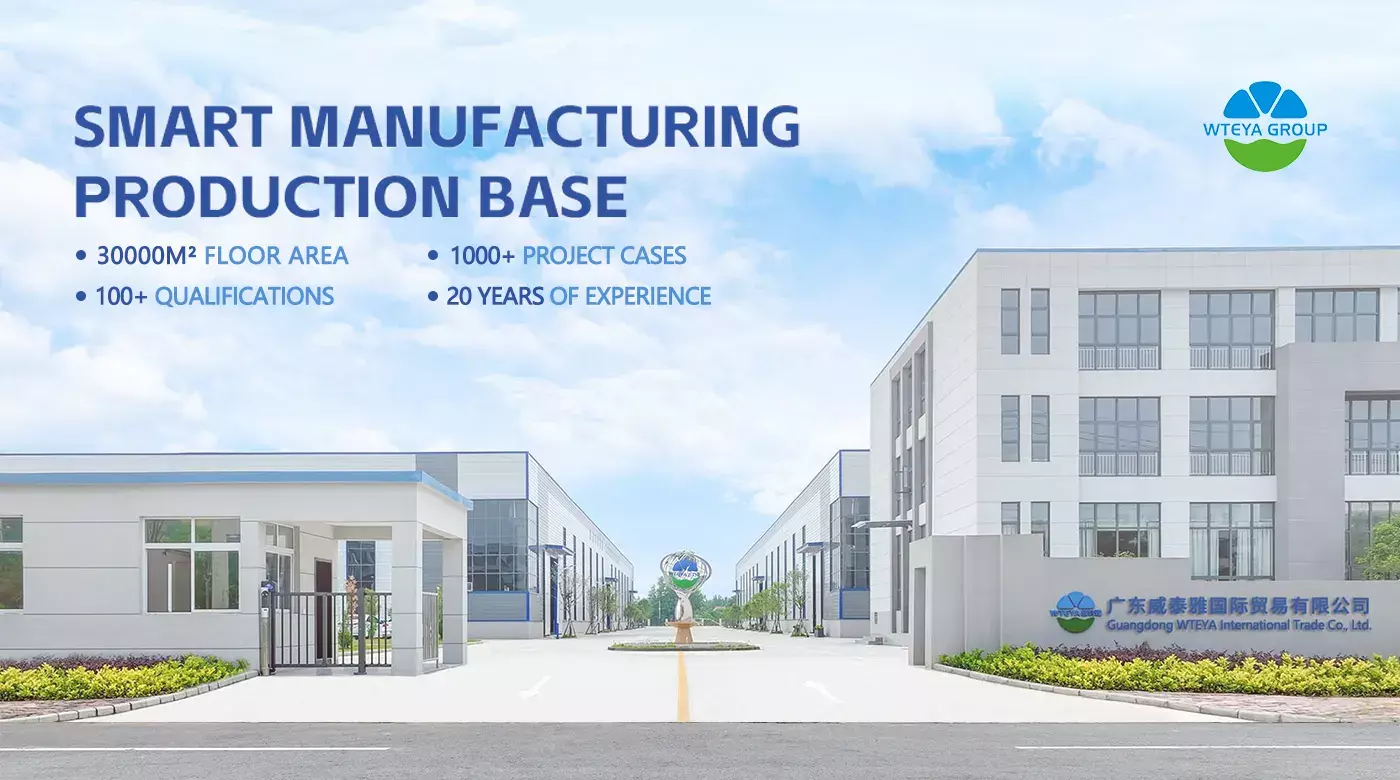
• Nearly 20 years of industry experience
• Trusted by global leaders including Foxconn, Huawei, Ganfeng Lithium, Ronbay Technology
• 100+ success cases worldwide
• OEM & ODM customization available
Become a WTEYA Distributor!
We are expanding global partnerships:
• Preferential policies
• Professional training
• Full technical support
Let us help you achieve exceptional water quality and operational sustainability!
📲 WhatsApp: +86-1800 2840 855
📧 Email: info@wteya.com
🌐 Website: www.wteya.com